

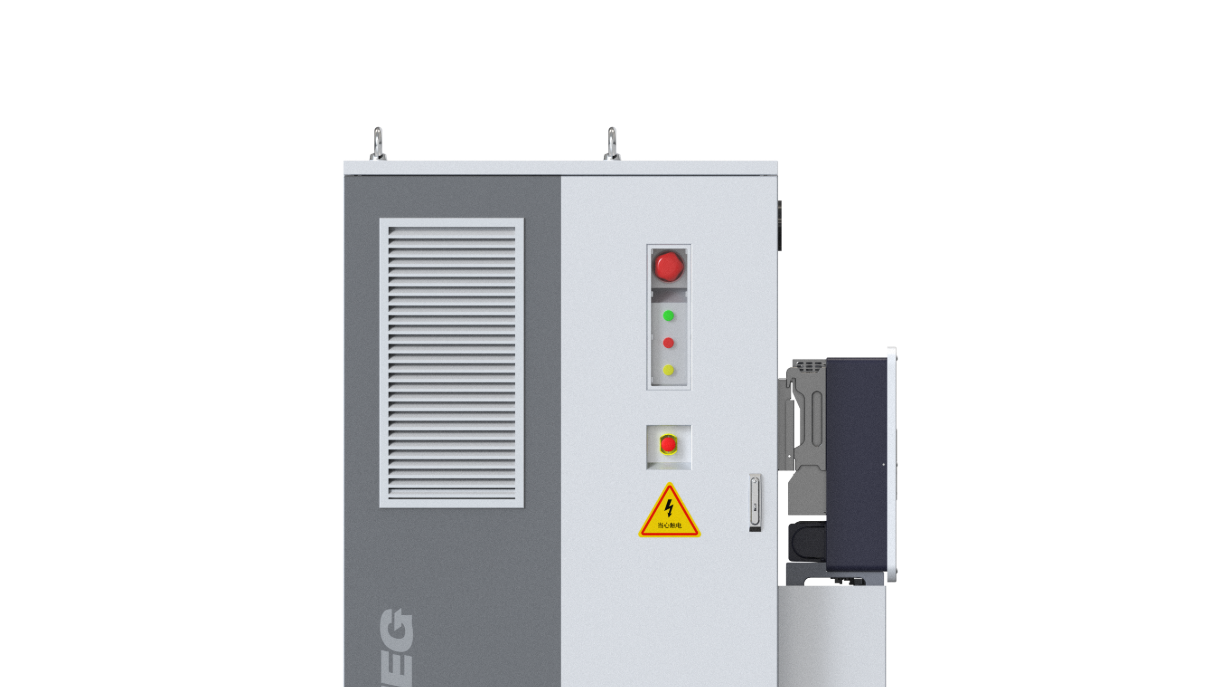
Where today’s choices meet tomorrow’s reliability
Business owners feel the stakes—downtime eats margins, and unpredictable grids punish the unprepared. This piece speaks to you, the operator who needs clear steps, not slogans. Start by understanding how commercial battery storage directly changes the calculus: it smooths solar output, enables peak shaving, and gives control back to onsite teams. Add a robust inverter and a properly configured battery management system (BMS) and you stop chasing outages one emergency at a time.
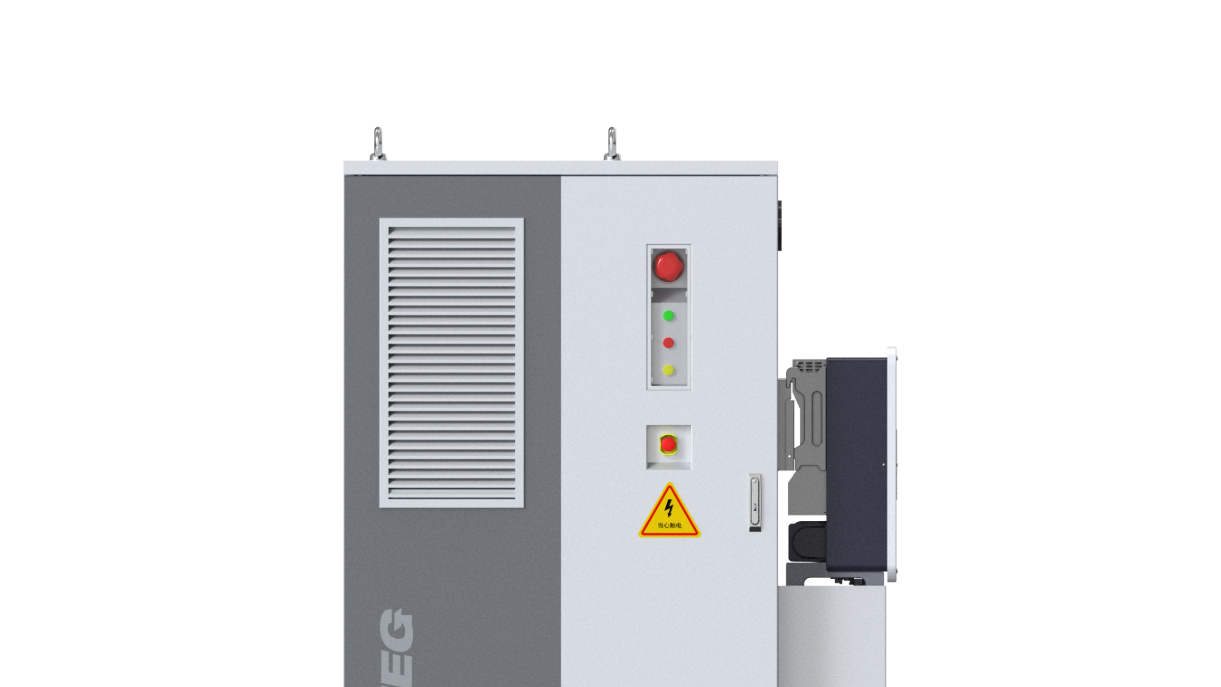
Concrete benefits seen on the ground
After Texas’ February 2021 blackout, many facilities added storage to avoid repeating losses—real money saved and real downtime avoided. Commercial battery systems can deliver three practical gains: immediate backup reliability, demand-charge reduction, and the option for energy arbitrage when markets allow. These are operational levers, not abstract advantages; they change scheduling, staffing, and vendor contracts.

Choosing what fits your site
Users should map three simple variables to decide: daily load profile, critical load duration, and available roof or land for PV expansion. Match those to a battery’s power rating (kW) and usable energy (kWh). Don’t overbuild—an oversized system ties up capital. Don’t undersize—too-small systems fail to cover peak demands. Consider Li-ion chemistry for dense installations; it’s compact and mature. Also check whether the proposed system integrates with your existing inverter architecture to avoid control layer mismatch.
Common mistakes and how to avoid them
Teams rush to lowest bid and then wrestle with underperforming software and poor warranty support. Procurement often ignores the BMS detail—cell balancing parameters, thermal management, and firmware update policies. Skip these errors: insist on measured test reports, realistic degradation curves, and a clear maintenance schedule. When you negotiate, ask for defined commissioning tests and response times for technical support—those promises matter when lights go dark. —A small technical clause today saves a big operational headache tomorrow.
Operational playbook: day one to year five
First 90 days focus on commissioning and baseline measurement: verify round-trip efficiency, confirm inverter-synchronization behavior, and log performance against expected demand curves. Months 3–24 adjust dispatch logic to capture demand charge savings; this is when peak shaving pays. Years 2–5: monitor degradation, update firmware, and plan capacity replacement or augmentation. Keep an eye on regulatory changes—some markets add incentives or new rules that change economics quickly. Remember: maintenance beats panic.
Comparing alternatives without bias
There are three viable courses: full onsite battery with solar pairing, partial storage for critical loads only, or service-based capacity from a third party. Each has trade-offs in capital, control, and operational complexity. Third-party models reduce maintenance burden but limit direct control. Full ownership grants flexibility for energy arbitrage and tailored dispatch strategies, if you can support lifecycle management well.
Golden rules for selection (three metrics you must use)
1) Usable energy (kWh) versus required backup duration — size to cover realistic outages, not theoretical ones. 2) Round-trip efficiency — higher efficiency means more usable output per charge cycle and better economics. 3) Warranty terms tied to depth-of-discharge and cycle count — ensure performance guarantees match your intended dispatch profile. These metrics cut through marketing and force concrete comparisons.
Final alignment and who helps deliver it
When operators translate needs into specifications, the right partner smooths procurement and field validation. Look for a supplier that documents commissioning tests and end-to-end integration, and that frames performance with measured data from similar installations. For many projects, that practical capability is precisely what SOLINTEG brings to the table: site-aware engineering, tested control strategies, and the operational follow-through that turns a battery into reliable capacity. Trust the results you can measure — plan, test, and maintain. —A clear path forward.