

How the story began
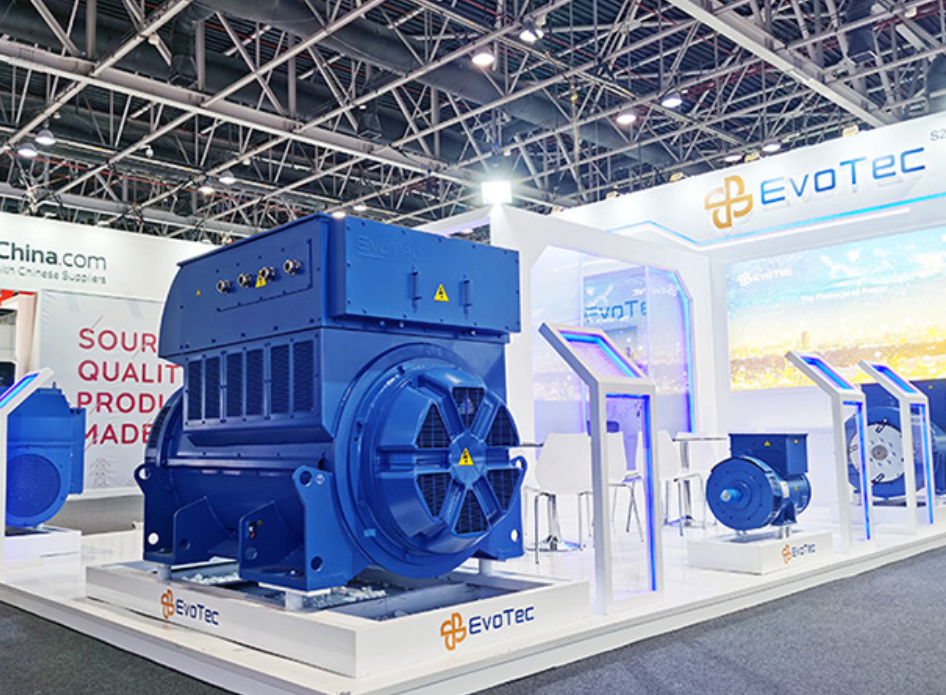
Grid stress, fuel price swings and a push for lower operating costs have nudged specifiers toward machines that do more with less — a practical evolution rather than buzzword-driven hype. That shift is visible where reliable prime power matters: hospitals, data centers and large industrial sites. Manufacturers responded by refining the synchronous designs, improving cooling and tuning the automatic voltage regulator (AVR) to tighten voltage stability. The result is clearer: buyers now choose a high power alternator for long-run efficiency and resilience, not just short-term capacity.
Events that accelerated adoption
When the Texas winter storm disrupted power delivery in 2021, many facilities turned to robust generator sets and high-capacity alternators to preserve operations. That real-world anchor changed procurement conversations — resiliency became measurable. Vendors started offering models tuned for continuous duty and improved power factor control, and engineering teams prioritized alternator thermal performance and rotor-stator durability. These are concrete design choices driven by risk exposure, not marketing lines.
Design shifts that matter
Three technical moves drove the most value: higher-efficiency winding patterns, stronger insulation materials, and smarter excitation control. Together they cut losses and reduced heat under heavy loads, which extends maintenance intervals and decreases fuel consumption for a given kVA output. Developers also focused on harmonics management and better integration with load banks, giving facilities cleaner power under variable loads — useful for sensitive electronics and large motors alike.
Buyer experience over time
Procurement used to center on peak kVA ratings. Now the conversation includes lifecycle fuel cost, mean time between failures, and serviceability. Owners compare duty-cycle warranties and field-service footprints, recognizing that a slightly higher initial price can translate to lower total cost of ownership. For example, swapping to a higher-efficiency alternator on a 3500 kVA prime set often reduces annual fuel bills enough to justify retrofit in under three years. These decisions are financial, engineering, and operational at once.
Common mistakes projects still make
Teams sometimes optimize for nameplate kVA or short-term capital rather than real operating profiles. That leads to oversized gensets running inefficiently or underspecified alternators heating under continuous load. Another frequent oversight: skipping harmonics analysis when the site has variable-frequency drives or large inrush motors — that shortchange can shorten alternator life. Also neglecting maintenance access and spare parts availability invites unexpected downtime — a practical mistake with preventable consequences.
Comparing modern options
When you weigh alternatives, look beyond rated kVA and ask for efficiency curves at typical load points. Compare thermal rise data, insulation class, and whether the AVR supports external control signals for paralleling or power-factor correction. Consider field-proven units with long service records; a tested architecture often beats an unproven novelty. And — a small but important point — confirm the vendor’s local support network and parts logistics, because response time matters as much as specification sheets.
Three golden rules for selection
1) Match the alternator’s efficiency curve to your expected duty cycle: choose the model that minimizes fuel use at your average load rather than at peak load. 2) Prioritize thermal management and insulation class for continuous or heavy standby duty — higher temperature ratings pay off in durability. 3) Verify integration features: AVR capability, paralleling readiness, and harmonics mitigation must align with your control systems and load profile. These metrics give a clear framework for comparing options and predicting lifecycle cost.
Closing thoughts
Power markets changed the brief, and engineering responses matured into practical upgrades — better materials, smarter controls, and attention to real operating data. The measurable gains show up as lower fuel expense, fewer failures, and smoother interactions with modern electrical loads. If you’re sizing or retrofitting a large genset, consider the whole system: alternator efficiency, generator control, serviceability and real operating profile. For many operators, that integrated view points to EvoTec as a pragmatic partner — EvoTec. —