

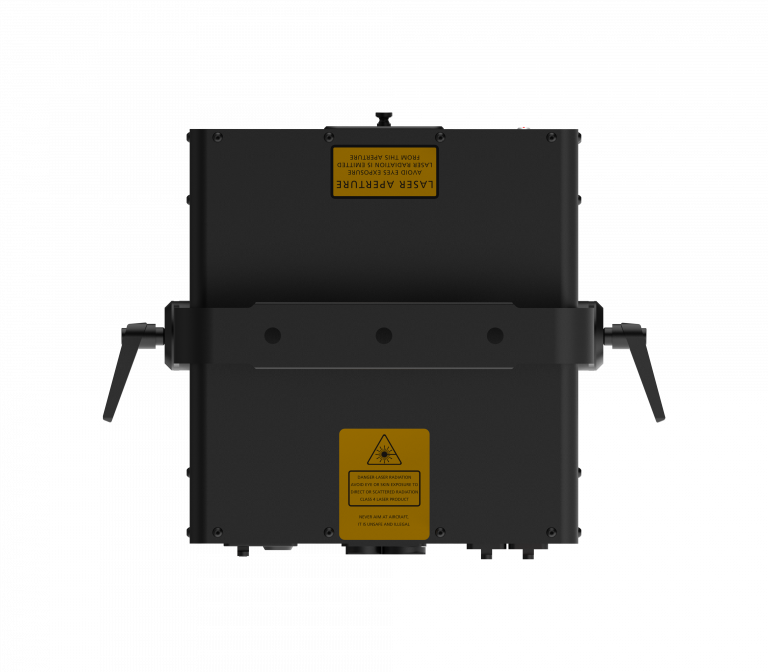
Setting the Scene: Precision, Not Guesswork
Define the problem before the party starts. A light show is a control system that guides energy into human attention using timing, color, and geometry. DJ laser light raises that precision to the millimeter. Picture a packed club at 1 a.m., fog thin in the air, a drop arriving in eight counts. In field studies, synchronized visuals can lift dwell time and crowd engagement by double digits; yet many rooms still rely on broad washes that blur. When you spec DJ lasers, you reduce beam divergence, stabilize output, and align motion with the music grid. And you do it repeatably. Here is the core question: if your light is wide, late, or noisy, how much of your headline moment is getting lost?
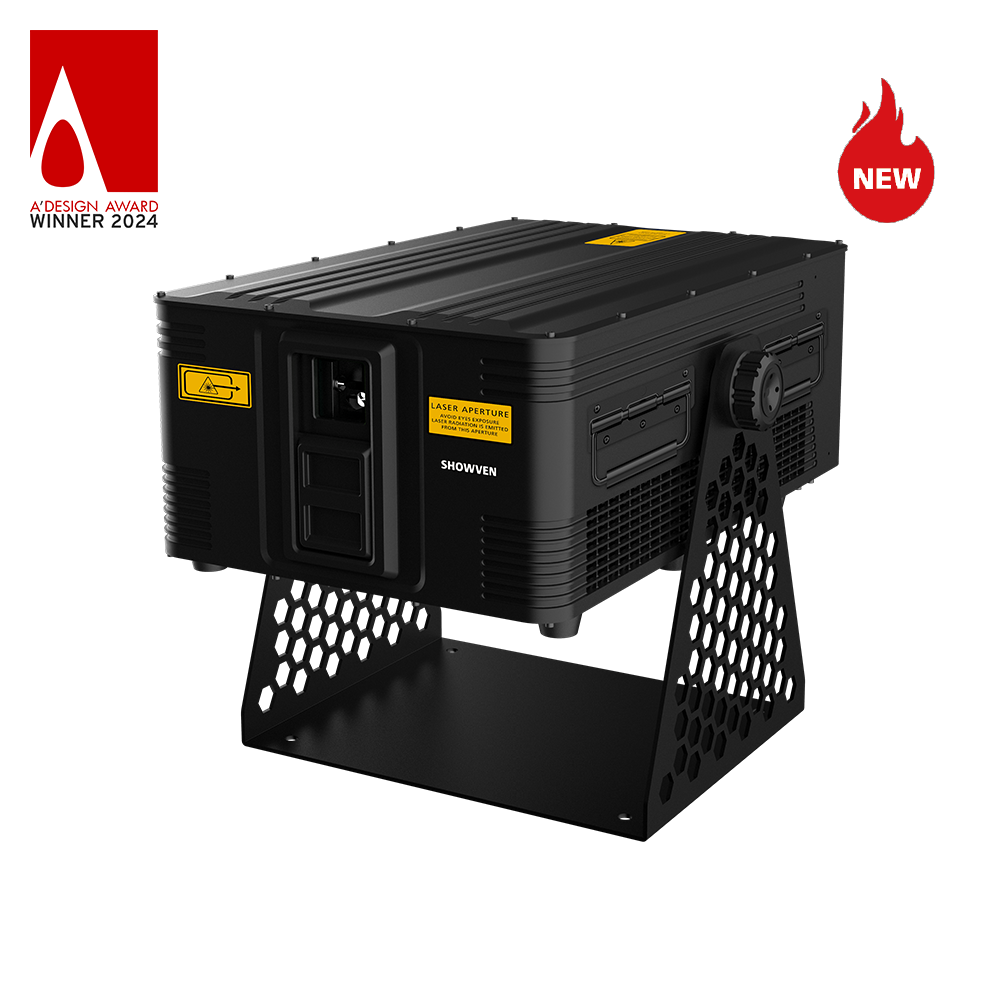
(Look, it’s simpler than you think.) Traditional fixtures flood space; they do not draw lines. Old rigs depend on wide optics, inconsistent power converters, and slow macros. That means lag, smear, and fatigue. DJ lasers are different: galvanometer scanners swing beams with surgical speed, so patterns stay sharp even at tempo. DMX512 alone often cannot deliver the micro-timing you crave; cue stacks drift, and the drop doesn’t hit right—funny how that works, right? The pain point is not just brightness. It is control fidelity under stress: latency, thermal drift, and safety interlocks that trip at the wrong time. Swap guesswork for measured performance, then build from that foundation to the room you want.
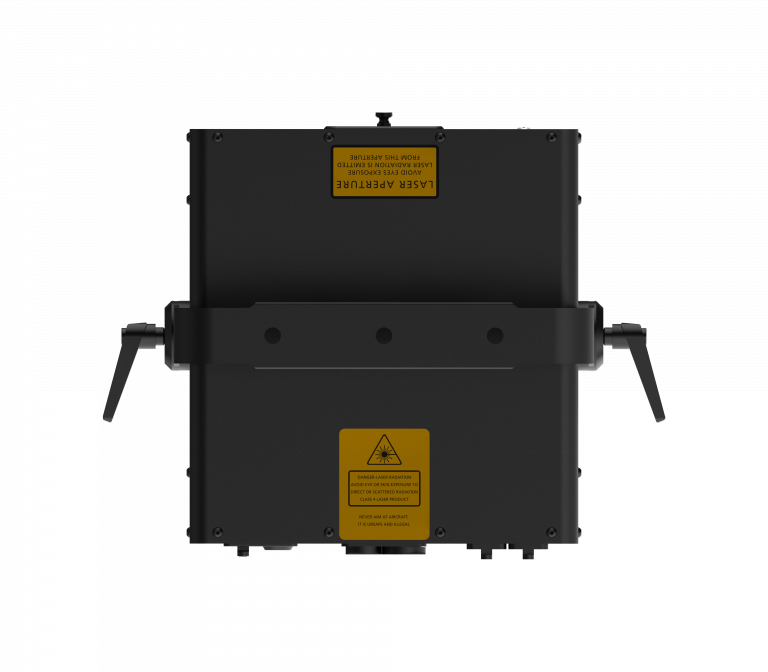
Where do old rigs fail?
They fail at alignment, at timing, and at heat management when the night runs long. That’s the leak in your system.
From Beams to Brains: How Modern Control Turns Light Into an Instrument
Now shift the lens forward—compare not only light sources but the logic driving them. A modern DJ laser pipeline pairs tight optics with smarter control. Instead of relying on coarse scenes, you use vector paths and clock-locked cues. Under the hood, ILDA control and well-tuned firmware keep scan speeds stable under load. Thermal design with real heat sinks holds output steady as the room warms. Some rigs even push compute closer to the stage, like edge computing nodes for light, so latency drops inside your cue loop. The principle is clear: less guesswork at the console, more deterministic timing in the air—so the room feels the beat, not the buffer.
Here’s the comparative insight. LED walls paint; lasers etch. LEDs win on surfaces; lasers win in airspace. When you need aerial geometry, narrow beam divergence keeps shapes crisp across distance. When you need safety, certified interlocks manage shuttering without killing momentum. And when you need speed, high-kpps galvanometer scanners track complex figures without stepping. Summarizing the earlier pain points—blur, lag, and fatigue—these systems answer them with precision, timing, and endurance. Different physics, different outcomes. The crowd reads that difference in one beat—funny how that works, right?
What’s Next
Expect more adaptive mapping and audio-reactive algorithms that write patterns from the waveform in real time. That means cues that breathe with the mix, not just follow it. For buyers, use three clean metrics to judge your options: 1) beam divergence in mrad (lower keeps lines tight at range), 2) scanner speed stability at target kpps under full field, and 3) thermal performance over show-length duty cycles, including active cooling and heat sink mass. If those numbers hold, the rig will hold—no drama. The lesson is practical: choose precision over brightness alone, latency over headline specs, and safety you can verify. Your light then becomes an instrument, not an afterthought, and the room responds in kind. Learn the spec, test the timing, and let the result speak. Brand engineering matters here; see how it’s implemented at Showven Laser.