

Introduction
Have you ever wondered why a tight tolerance job still comes back for rework? I see this often on the floor: a small mistake, big cost. For many shops (especially among vertical machining center manufacturers), the problem is not just the machine — it is the way we measure and react to issues. Recent shop-floor surveys show up to 20% of parts need touch-up or rework before shipping — which means lost time, angry customers, and burned margins. So how do we stop the cycle and keep quality steady without over-complicating the process? Let me walk you through what I’ve learned and what actually helps in real shops — then we will dig into the root causes and forward-looking fixes.
Why Traditional Fixes Often Miss the Mark
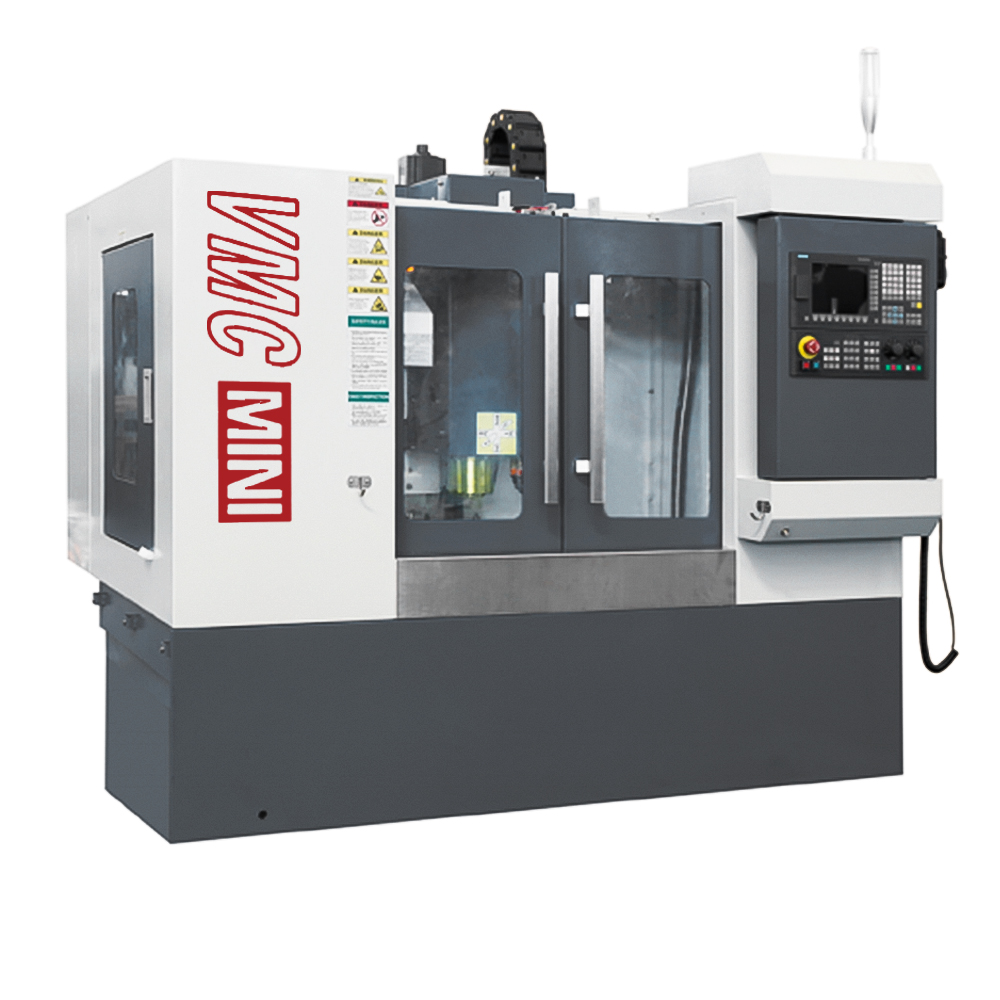
cnc vertical machining center users usually try the obvious: tighten inspections, add more clamps, or slow the spindle. Those moves can help, but they rarely fix the hidden causes. I’ve watched teams blame the tool when the real culprit was axis backlash or a sloppy tool changer sequence. When you only treat the symptom, you get temporary gains — then the same problem returns. In my view, that’s frustrating and avoidable. Look, it’s simpler than you think: focus on what drifts over time (servo motors behavior, spindle speed consistency) and you will cut rework faster than piling on manual checks.
What breaks down at the shop floor?
Two main issues hide under “bad parts”: gradual mechanical drift and poor data use. Mechanical drift includes things like small backlash in axes and wear in the spindle bearings. These faults creep up slowly. On the data side, many shops collect a lot of measurements but do not act on trends. I’ve seen CNC logs full of useful info that no one reads — funny how that works, right? To be blunt, traditional fixes are often reactive; they rely on human eyes and memory rather than simple rules and automated alerts. That gap is where most quality loss happens.
Forward-Looking Upgrades and How to Evaluate Them
Now let’s look ahead. I favor practical technology principles over buzzwords. Start by choosing upgrades that give clear feedback loops: better sensors on the spindle, simple vibration monitoring to spot chatter, and condition monitoring that flags slow drift before it ruins a batch. A smart move is to pair these sensors with local edge processing so alerts are fast — not buried in the cloud. If you talk to a cnc vertical machining center supplier, ask how their sensors speak to your PLC and how easy the dashboards are. Usability matters; otherwise the data sits unused.
What’s Next — practical steps
I recommend three steps you can start this month: baseline the machine (run a simple test part), add one real-time sensor (vibration or temperature), and set one clear alarm threshold. These steps are cheap, fast, and they build confidence on the floor. They also create data you can trust when you decide on further investments. In my experience, shops that follow this path reduce scrap and rework within weeks — not months.
Three Metrics to Choose the Right Solution
When evaluating tools or suppliers, I evaluate by three simple metrics. First: measurable impact — will this change reduce rework or scrap by a clear percent? Second: integration ease — can it tie into existing controllers, and does it work with your coolant system and PLCs without weeks of custom code? Third: staff adoption — will technicians actually use the dashboards and alarms, or will the tool collect dust? If a solution scores low on any one of these, it rarely pays off. I say this from hard-learned experience: technology is only useful if people use it.
To wrap up, I’ve shared what goes wrong with traditional fixes, why focused sensing and simple analytics work better, and how to pick a practical upgrade path. I believe these steps can save time and restore pride in your work — and yes, reduce those frantic late nights before shipment. For manufacturers willing to try small, measurable changes, the gains are real and fast — and that’s what matters on the shop floor. Leichman