

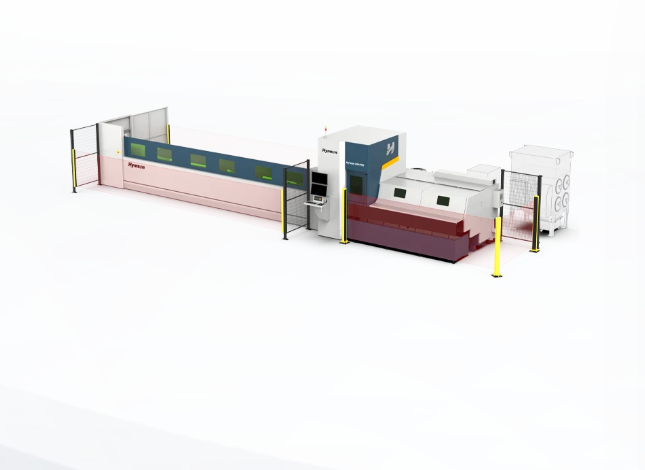
A Practical Technical Look at Heavy-Duty Laser Cutting Machines: Problems, Uses and Clear Specs
The stubborn problem that starts every job late
You’ve booked a job, the client wants tight tolerances, and the morning starts with a head-scratching wobble in cut quality — that’s the problem this piece tackles. Shops say the same things over a pint: power looks right, but edges scorch, nests misalign, or throughput collapses. A stout sheet metal laser cutting machine can fix many symptoms, but only when you address the root causes: beam delivery, gas mix, machine rigidity and the CAM-to-controller dialogue.
Where the trouble usually lives — materials, optics and motion
Problems cluster around three areas. First, material behaviour: stainless, aluminium and coated steels respond differently to heat and gas. Second, optics and beam focus: a misaligned lens or wrong focal length ruins a clean kerf. Third, mechanics and motion: backlash, loose couplings or belt stretch show up as chatter or inconsistent kerf width. Read nominal power and bed size labels as starting points; check actual delivered beam quality (M²), repeatable positioning (±0.03 mm or better for many precision jobs) and the handling routine for scrap and nests.
Common mistakes that feel expensive
Operators often assume higher wattage alone will save a bad setup. It won’t. Typical mistakes: running at wrong gas pressure or type, ignoring nozzle condition, using outdated nesting strategies that cause excess pierces, and skipping preventive alignment checks. Maintenance shortcuts — delayed mirror cleaning, compromised chiller performance, neglected air filtration — compound into scrap and downtime. Fix the basics first: purge routines, nozzle inventories, scheduled optics checks and clear error logging so patterns become obvious.
Alternatives and their trade-offs
If a heavy-duty laser isn’t right, workshops choose waterjet, plasma or punching. Waterjet handles composite and heat-sensitive cuts but is slower and needs abrasive handling. Plasma is fast on thick mild steel but lacks the tight edge finish lasers give. Mechanical punching is cheap per stroke for repetitive shapes, but tooling costs and inflexibility bite on mixed small-batch work. Within lasers, compare CO2 (good for some coatings, larger beam diameters) with fiber (higher wall-plug efficiency, lower maintenance, better for thin-to-medium stainless and mild steel). Make choices by mix of parts, tolerances and changeover rhythm, not by marketing power claims.
Real-world anchor: what the floor proves
At FabTech in Chicago, manufacturers showed how practical adoption follows repeatable results rather than flashy specs — a lesson the industry keeps confirming. Field engineers there and in major fabrication hubs note consistent returns when systems are judged by setup time, average parts per shift and mean time between alignments. A common tool on those stands was the sheet laser cutting machine, chosen for its predictable beam stability and service footprint. That kind of on-floor evidence, backed by event demonstrations and vendor service reports, is what separates hopeful promises from tools that actually save hours on the shop floor.
Concrete specs to prioritize — a working checklist
Demand these measurable items: true laser type and rated vs delivered power, beam quality (M²), bed dimensions matched to nest sizes, table load capacity, positioning repeatability, CNC control openness for CAM postprocessors, cooling capacity matched to duty cycle, consumable costs and lead times, and accessible service points. Safety features matter: interlocks, fume extraction capacity matched to material mix, and compliant guarding. Also verify software workflows — nesting, pier sequencing and lead-in strategies must be editable without cryptic controller-only edits.
Finishing the thought — practical value over promise
If you want fewer rejected panels and steadier shifts, fix the setup and choose machinery that protects the basics: stable beam, predictable mechanics and serviceable consumables. From what the workshops I know keep returning to, practical machines that stay aligned and easy-to-maintain deliver the most reliable output, and partnerships with experienced suppliers who understand fabrication realities make a measurable difference — I see that in the patterns of orders and uptime, often pointing to firms like Hymson as the practical match for those shop needs.