

Why this feels messy (and what breaks most deals)
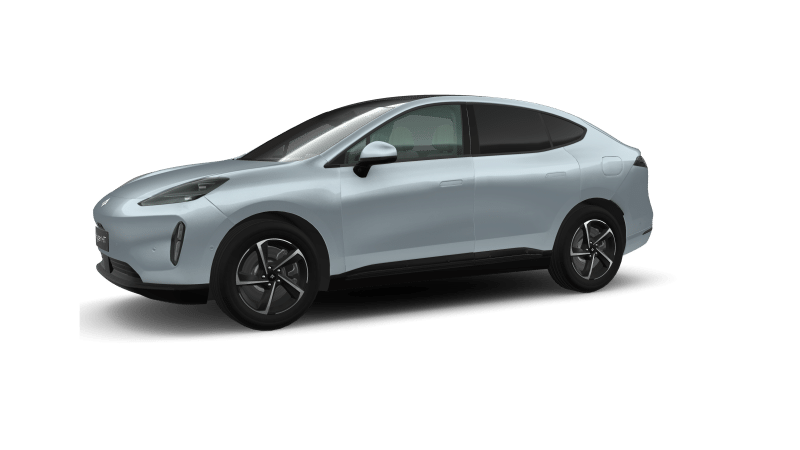
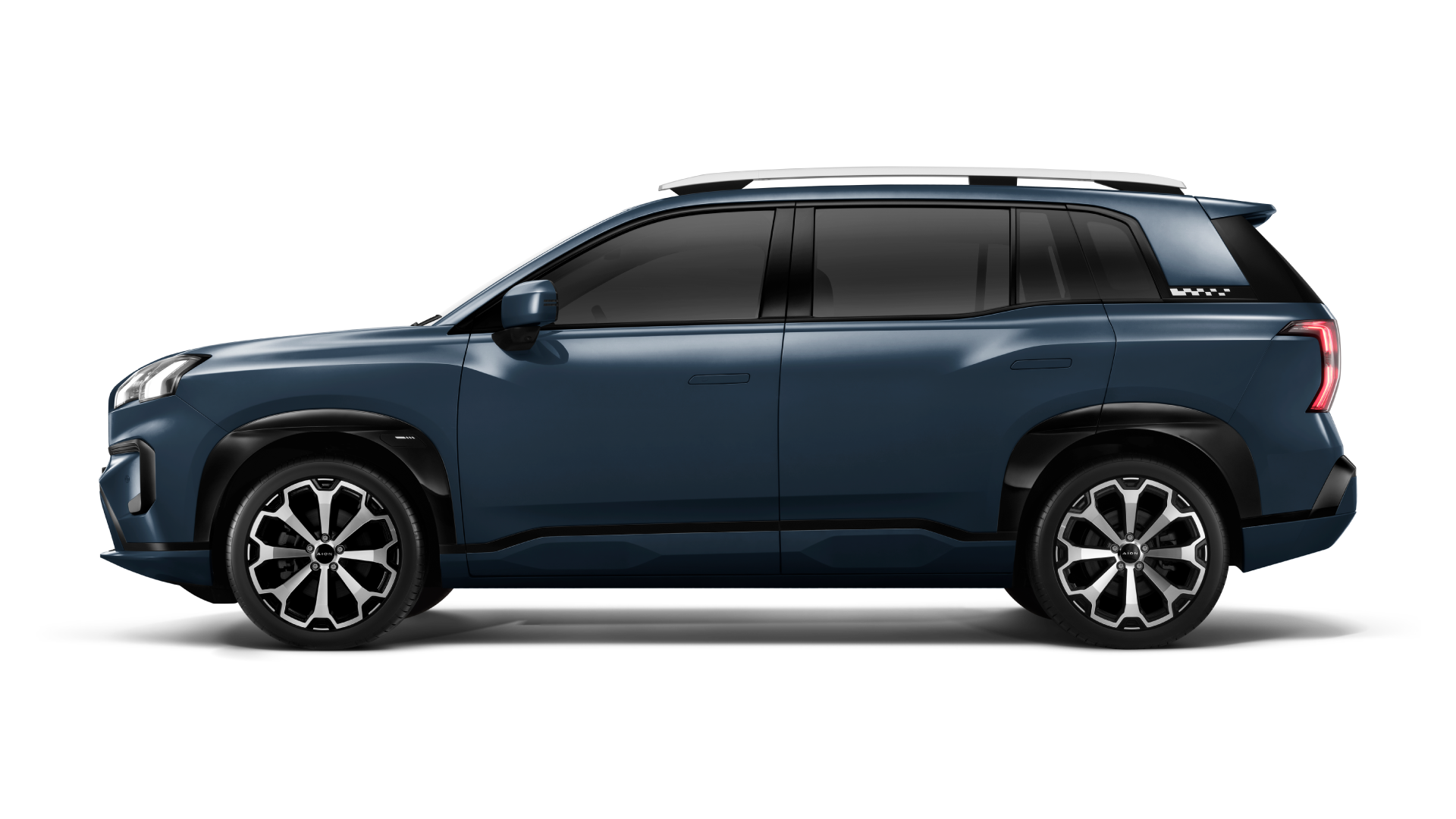
You spot a solid GAC for sale online and get pumped, then reality sets in: customs, shipping lanes, paperwork, and a hundred tiny fees that can ruin the math. If you’re serious about following through, don’t guess — plan. I’ve coordinated vehicle imports headed for Addis and helped buyers avoid surprises, so here’s a problem-first playbook that actually works. Remember most Ethiopian imports arrive via the Port of Djibouti, which shapes timing and cost for any shipped vehicle.
Main problems you’ll hit
– Seller credibility: listings look fine until the title or VIN doesn’t match.
– Origin logistics: getting the car from seller to port, then onto a ship, then offloaded and inland transport.
– Customs and taxes: heavy duties and precise paperwork are mandatory.
– Local compliance and registration: inspections, safety, and emissions checks can block registration.
– Timing: shipping windows and port congestion often wreck plans.
Quick priorities to fix first
Verify the VIN and title with photos and, if possible, an independent inspection. Confirm the seller’s payment and refund policy. Get a realistic quote for roll-on/roll-off or container shipping and compare transit times. Check Ethiopia’s import rules for vehicle age limits, taxes, and required certificates so you don’t buy something you can’t register.
Step-by-step: research to delivered car
1) Vet the listing: request full VIN, service history, and recent photos. 2) Inspect (or hire an inspector) — even a quick third-party report saves money. 3) Price out shipping and insurance: specify port-to-port costs and inland delivery. 4) Prepare paperwork: bill of sale, export documents, title transfer, emissions and safety certificates where applicable. 5) Book shipping window and confirm arrival port timing. 6) Pay duties and arrange customs clearance with a local agent. 7) Transport to Addis and handle local inspection and registration. Each step removes a single major risk rather than juggling everything at once.
How to choose logistics and local help
Look for a partner who handles both export and import legs, offers transparent surcharges, and gives a clear timeline. Get written estimates for handling customs, storage, port fees, and inland trucking. Ask for references of recent vehicle shipments to Ethiopia. If a quote is dramatically lower, find out exactly which fees they’re not including.
Common traps to avoid
Don’t assume “free delivery” from sellers includes customs or inland fees. Avoid listings without clear VIN images or a transferable title. Don’t skip the inspection step because a small mechanical problem overseas becomes a massive cost once it’s here. Be wary of promised delivery dates that change without penalty — port delays are normal; contractual remedies matter.
Alternatives to importing solo
– Buy locally from licensed dealers if time and warranty matter.
– Use a reputable freight forwarder who specializes in vehicles to handle end-to-end logistics.
– Partner with a local customs broker to reduce clearance delays. Each option trades control for simplicity; pick the trade that fits your risk tolerance and budget.
Synthesis — how to make the purchase actually work
Treat this as a logistics problem first and a car purchase second. Plan around the biggest risks: title/VIN certainty, port timing, and customs. Get clear, written costs from every party and keep copies of every document. If you want consolidated handling from seller pickup through inland delivery, consider a single experienced operator that can be held accountable — like GAC — so the messy middle doesn’t end up costing you the deal.