

Setting the Scene: A Mirror, a Meeting, and a Better Plan
You’re on camera at 8 a.m., latte in hand, and the front camera is not kind today. The second you think about fixes, you think about the best injectable fillers. The market is huge—millions of injectable procedures happen each year in the U.S.—yet the choices can feel murky. Are we picking for speed, or for fit? The truth on the West Coast is simple: people want results that look laid-back, not lab-made (sunny, soft, and you). But the path from first consult to final glow can be messy. Swelling. Overfilling. The wrong gel in the wrong plane. That’s not vanity; that’s a systems issue. So here’s the big question: how do we move from quick fixes to smart, stable sculpting that keeps you looking like you—just better? Let’s break it down, layer by layer, and get clear—then build forward to what’s next.
Under the Surface: HA Wins—and Where Decisions Go Sideways
What are we missing?
Many choose hyaluronic acid ha fillers because they are reversible, biocompatible, and adaptable. That part is true. But the hidden pain point is the match between gel behavior and the tissue it supports. Look, it’s simpler than you think: different regions need different rheology. Cheeks want lift (higher G’), lips want flex and spread (lower G’ with good cohesivity), and tear troughs demand low swell potential. When that map is ignored, problems show up. Overfilled smiles. Migration near mobile zones. Or that “stuck” look from a gel with the wrong cross-linking density. Tools matter, too. Needles can place with precision, but microcannulas reduce trauma and bruising—funny how that works, right? Add in injection plane errors—too superficial or too deep—and even a great product can underperform. The flaw isn’t only in the syringe. It’s in the selection logic.
There’s also the “set it and forget it” trap. HA isn’t static. Water affinity, particle size, and gel cohesivity shift how a product behaves under motion. Lips speak, cheeks lift, temples flex. If the gel’s viscoelasticity and shear-thinning profile don’t match that movement, the face feels off. Patients notice “puff” at rest or collapse with expression. Lidocaine buffers help comfort, but they don’t fix a poor tissue–product match. A better way uses a simple matrix: map dynamic units, pick an elastic modulus that matches the job, and plan the depth. The result: fewer touch-ups, less edema, and lines that soften without that odd shine. In short, HA works best when the plan respects mechanics, not just aesthetics.
Next-Gen Moves: Principles and Practical Wins
What’s Next
So where do we go from here? Two shifts are already changing outcomes. First, new cross-linking patterns are tuning gels for task-specific performance. Think multi-density matrices that blend lift with spread, or gradient networks that resist water uptake in thin skin. These principles target viscoelastic balance—enough structure for projection, with thixotropy for smooth movement. Second, protocols are getting smarter. Ultrasound mapping helps locate vessels before entry. Layered placement uses a microcannula for bulk, then a fine needle for finesse. And for texture and glow (not volume), a hyaluronic acid skin booster injection can hydrate the dermis without adding weight—small doses, wide grid, big payoff. The tech is not gimmickry; it’s better physics applied to living tissue.
Case in point: a patient with fine perioral lines and mild midface drop. Old playbook? One midface gel, then “chase” the lines. Newer approach compares properties first. A higher G’ gel lifts along the zygoma for structure, while a softer, cohesive gel refines the upper lip. Finish with a light hyaluronic acid skin booster injection to smooth texture and improve light reflect. Fewer syringes than you think—and longer comfort between visits. The big picture: pick by principle, not by brand name. Match gel behavior to tissue load, respect anatomy, and use guidance when you need it—yes, even ultrasound in tricky zones. It sounds complex, but it actually reduces guesswork and downtime. And yes, the selfies look better.
How to Choose: A Quick Checklist
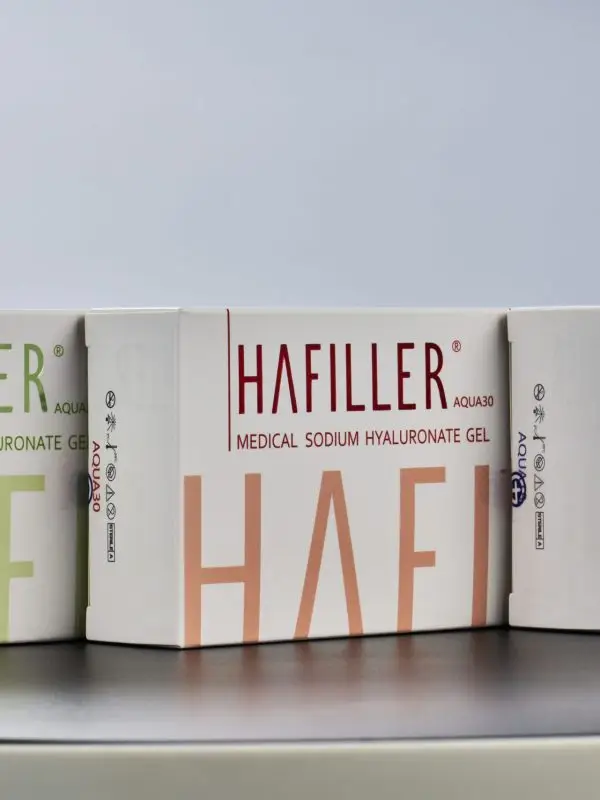
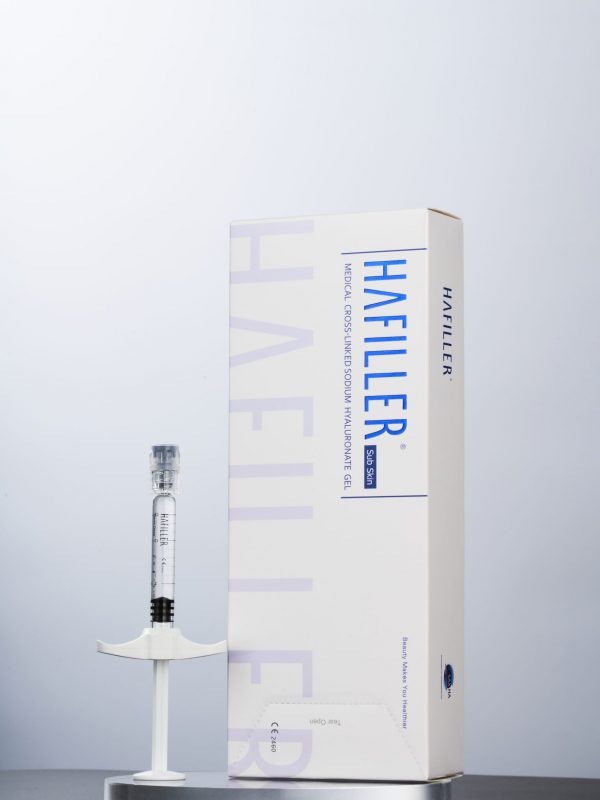
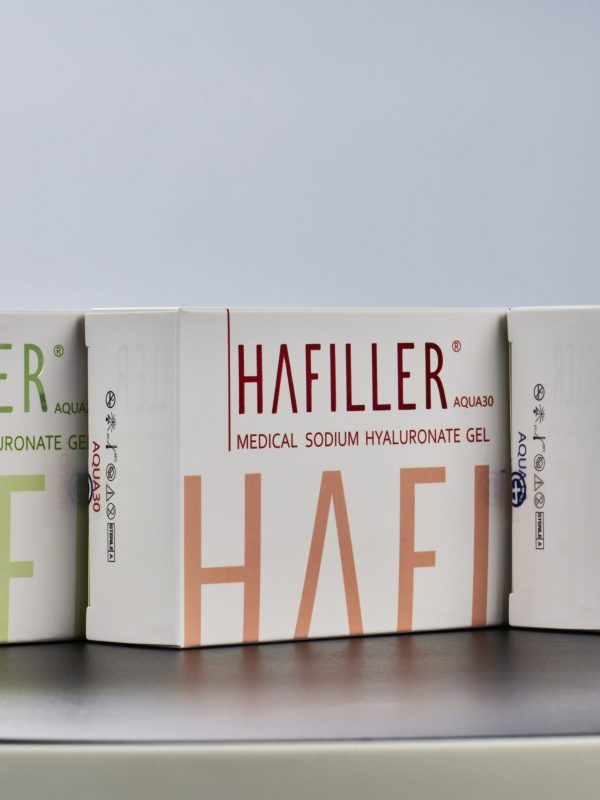
Advisory close. When you compare options, use three simple metrics: 1) Material mechanics: ask about G’ (lift), cohesivity (shape hold), and swell potential for the exact area you’re treating. Cheeks need structure; lips need flex. 2) Protocol clarity: confirm the injection planes, tool choice (needle vs. microcannula), and dosing pattern. A plan that names layers and volumes beats “we’ll see.” 3) Safety stack: look for ultrasound availability in high-risk zones, reversibility with hyaluronidase, and product traceability. Track vials. Log sites. Small habits, big gains. With these in place, you can compare solutions on outcomes, not hype—clean, calm, and very California. If you want a place to start exploring materials and properties without the noise, you can learn more via brands like HAFILLER.