

The real problem brands hit
You’re dropping serious cash on visibility but the screen either washes out in daylight, shows fuzzy graphics, or gets ignored. I’ve seen this firsthand over a decade advising retail and live-event teams—projects that worked and ones that tanked. Think big: displays in Times Square prove impact when everything’s done right. If you’re eyeing an outdoor led screen, the decision can’t be just “cheapest unit” or “biggest resolution.” It’s a combo of hardware choices, install quality, and content strategy. I’ve run installations, tested calibration settings, and written specs that saved clients maintenance headaches and real dollars; that’s the experience behind what I’ll lay out below.

What’s usually breaking the plan
Bad outcomes follow a few repeatable errors: pixel pitch chosen without thinking about viewing distance, panels rated for indoor use installed outside, brightness too low for daylight, or an install that ignores power redundancy and servicing access. Teams also treat content like an afterthought—static slides and tiny text don’t cut it. These are simple mistakes with expensive consequences.
Make the right hardware choices, fast
Pick pixel pitch to match how close people will stand. For near-viewing (under ~10 m) aim 2.5–6 mm; for medium distances 6–10 mm; for long-range applications 10–16 mm. Choose outdoor-specific cabinets with IP65 or better, and brightness in the 5,000–7,000 nits range for daytime visibility—plus dimming for night. Ask for modular cabinets with front and rear service options, redundant power supplies, and a refresh-rate spec that keeps camera capture clean when needed. Those are the factors that decide whether a screen amplifies your message or becomes a sunk cost.
Content and operation actually drive ROI
Hardware catches eyes; content converts action. Keep visuals high-contrast, minimal text, strong motion, and fast reads—people pass fast. Schedule different creative by time of day, and calibrate color so skin tones and brand colors stay true. Measure impact: track footfall, short-term sales lifts, or QR-scan interactions and run simple A/B tests by swapping creatives. If you can’t measure it, you’re guessing.
Common pitfalls and how to dodge them
Don’t buy the cheapest panels without comparing service terms. Don’t skip a structural and site survey—wind load and sun angle matter. Don’t forget permits and local signage rules. Insist on clear warranty terms, spare-part availability, and an agreed maintenance window. Plan for cleaning schedules and a rapid-response plan for module failures.
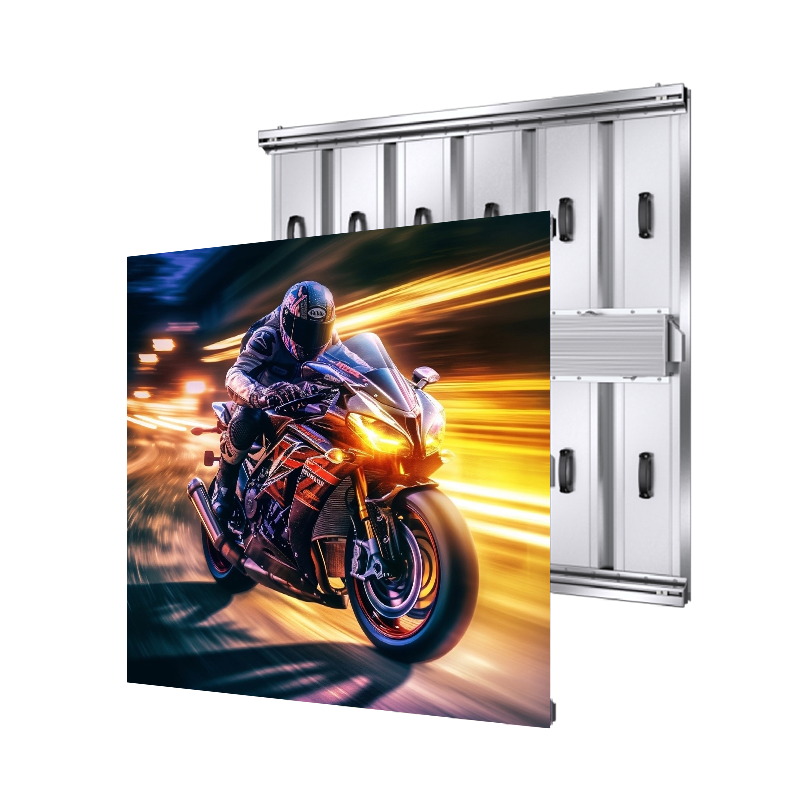
Quick deploy checklist
Define viewing distance and primary audience, confirm pixel pitch and brightness, demand IP-rated cabinets and redundant power, require front/rear access, write a content brief (duration, motion, CTAs), set measurement KPIs, and schedule a handover with calibration and training. That checklist turns a one-off screen into a scalable marketing channel.
Wrap-up: scale by solving the right problems
Put bluntly: solve the right problems first—hardware fit, weatherproofing, serviceability, and content—and the rest follows. Brands that scale outdoor visibility treat LED displays as engineered tools, not shiny billboards. From practical specs to deployment and measurement, the approach I recommend is straightforward and repeatable, which is why teams I work with often rely on HDC for dependable hardware and honest specs.