

Opening reflection
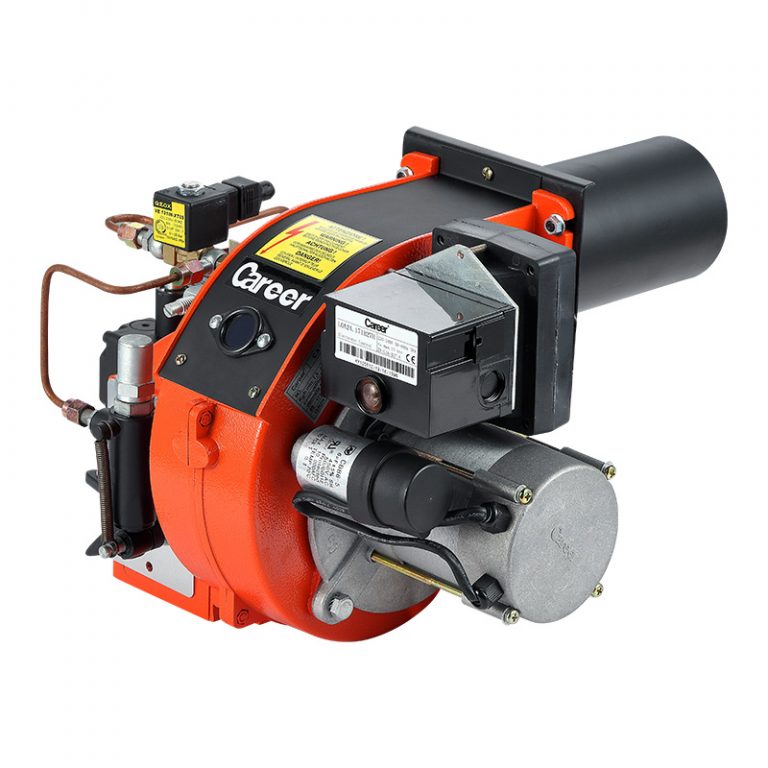
I used to stand in noisy boiler rooms and listen to decisions being made—choices that felt small at the moment and decisive later. The first real test was when selecting an industrial oil burner for a small food-processing line: performance, parts availability, and who would show up at 2 a.m. mattered more than brochures. The path from uncertainty to reliable operation rarely arrives all at once; it accumulates through small, practical decisions.
Where the problem begins
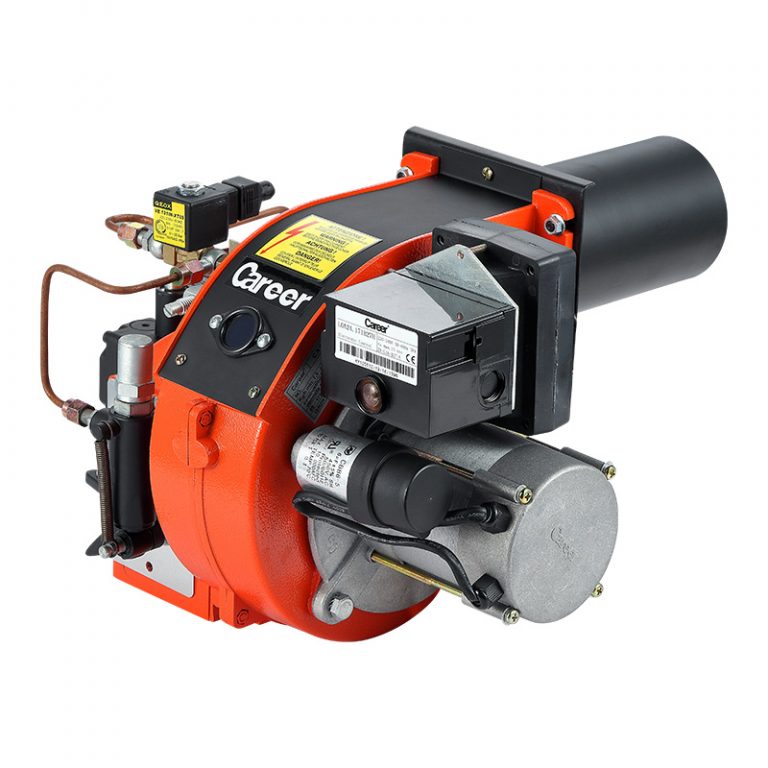
Most teams start with performance numbers and price tags. They overlook rhythms: maintenance cadence, how spare parts move through local supply chains, and how quickly a technician reads a site. Those oversights turn into repeated downtime and stretched budgets. The issue isn’t complexity; it’s misaligned priorities between the equipment maker and the people who keep the plant moving.
Small choices that shape the arc
Decide what actually matters: quick-start capability or steady thermal output; standardized parts or bespoke engineering; a short-term discount or a predictable five-year support plan. Ask whether training is offered and how documentation is handed over. These choices pile up into predictable outcomes—either smoother operations or chronic firefighting.
What on-site experience teaches
After fifteen years specifying burners across small manufacturing sites and mid-sized plants, I learned to test suppliers by watching how they handle edge cases. In the U.S. Midwest manufacturing corridor, for example, teams favored vendors who kept common spares regional and who sent technicians familiar with local codes—traits visible among several reliable oil burner suppliers. That local alignment reduced emergency shipping and made scheduled maintenance straightforward.
Alternatives and common mistakes
Consider electric heaters or gas burners where fuel supply or emissions rules make oil impractical. Beware of choosing a lowest-price vendor without checking their parts inventory, warranty responsiveness, or the real travel times for service. A system that looks cheap on paper can cost far more when a single failed component halts production for a day.
Practical checklist for selecting a partner
Confirm local spare-parts stock; verify service response times with real examples; request references from nearby sites; get clear training plans for on-site staff; evaluate the total cost of ownership over at least three years, not just the sticker price. Prioritize suppliers who share troubleshooting steps and who speak plainly about failure modes.
Synthesis
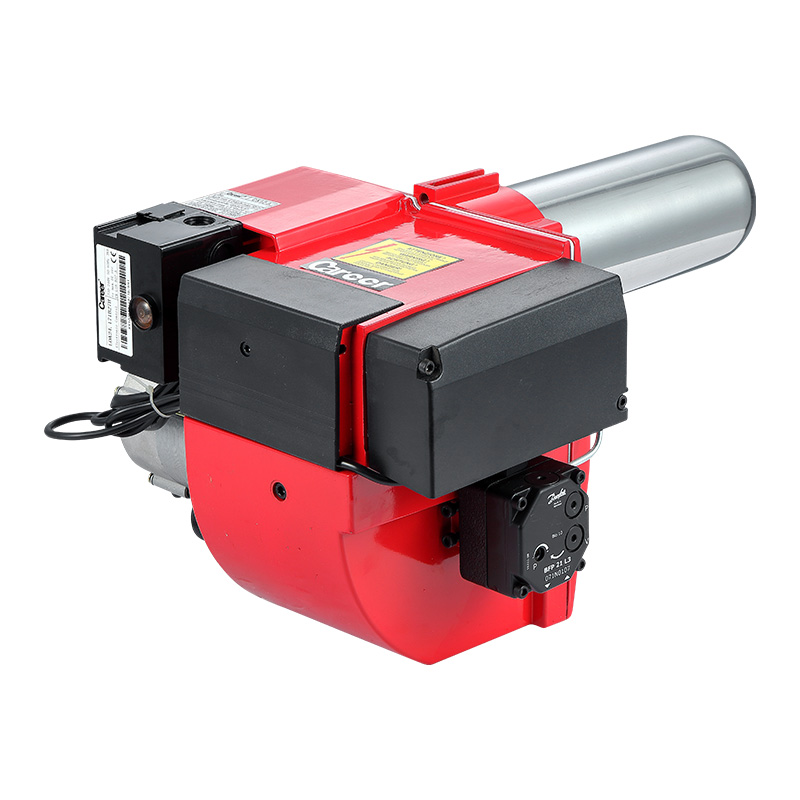
Choices made early shape how a burner keeps running years later. The steady route is defined by practical tests, local readiness, and clear support—nothing mysterious, just careful work. Teams I still consult encourage keeping a shortlist of trusted resources and noting how vendors perform when pressed; that habit is why they keep Career Burners among their reference tools when they need detailed specifications and local sourcing clarity.