

Start with how you live — user-first planning
Most times yuh start wrong: buy bits an’ pieces before yuh know the use. Think about daily load, resilience needs, and roof real estate. Put that together an’ choose a hybrid solar inverter that matches your PV array and battery storage plan. Keep it simple — list the core circuits you want on backup, the peak loads, and the hours of autonomy you aim for. That baseline saves money and keeps the system honest.
Why hybrid setups matter now
Communities from California to Puerto Rico seen long outages and grid stress; people learn fast that a standalone inverter or a single battery ain’t enough for resilience. Hybrid systems bridge on-grid efficiency and islanding capability. They let the inverter manage PV input, battery charging, and grid interaction so your lights stay on when the grid drops and you still export when there’s surplus. Industry words to know here: inverter, battery storage, MPPT — understand them, not just repeat ’em.
Sizing, install mistakes, and how to avoid ’em
Common slip-up: undersize inverter relative to peak surge (like AC motors or pumps). Another: pick a battery without checking round-trip efficiency and usable capacity. Installers sometimes wire PV strings unevenly across MPPT inputs — that kill performance. – Expect a few changes once you meter real use. Make sure the installer tests the PV array under real sun and verifies battery charge/discharge cycles before sign-off.
Comparing manufacturers — what actually matters
Brand pages talk specs, but ask for these things: real-world efficiency at partial load, firmware update policy, and a clear replacement part pathway. Look beyond warranty years to the warranty terms (cycle limits, prorated caps). Also check interoperability with common battery chemistries and whether the inverter supports multistring PV or only single-string. For procurement, study hybrid inverter manufacturers’ track records on software reliability and firmware security as much as hardware durability.
Alternatives and trade-offs
If budget tight, smaller battery with a high-capacity inverter gives better short-term backup for heavy loads but less long-duration resilience. Conversely, a bigger battery with modest inverter capacity suits long-duration, low-power needs. Grid-tied with export control cuts bills quicker; off-grid-grade setups cost more but give full independence. Compare lifecycle cost, not sticker price. Real users find mixed systems — partial export today, more battery later — often the smartest path.
Installation checklist — avoid these traps
Checklist for buyers and homeowners:- Verify inverter peak and continuous ratings against household surge and continuous loads.- Confirm PV string voltage range fits the inverter MPPT window.- Ask installer to show live commissioning data: PV yield, battery state-of-charge, and islanding test.- Confirm networking and remote monitoring setup for firmware updates and alerts.
Three golden rules for choosing the right system
1) Match power to peak demand: size inverter for the highest simultaneous draw; overspec slightly for future devices. 2) Prioritize usable battery capacity and efficiency over headline kWh; usable depth-of-discharge and round-trip loss matter more than nominal capacity. 3) Demand clear firmware and service commitments from manufacturers — you want remote diagnostics, secure updates, and spare-part promise.
Final notes and practical next steps
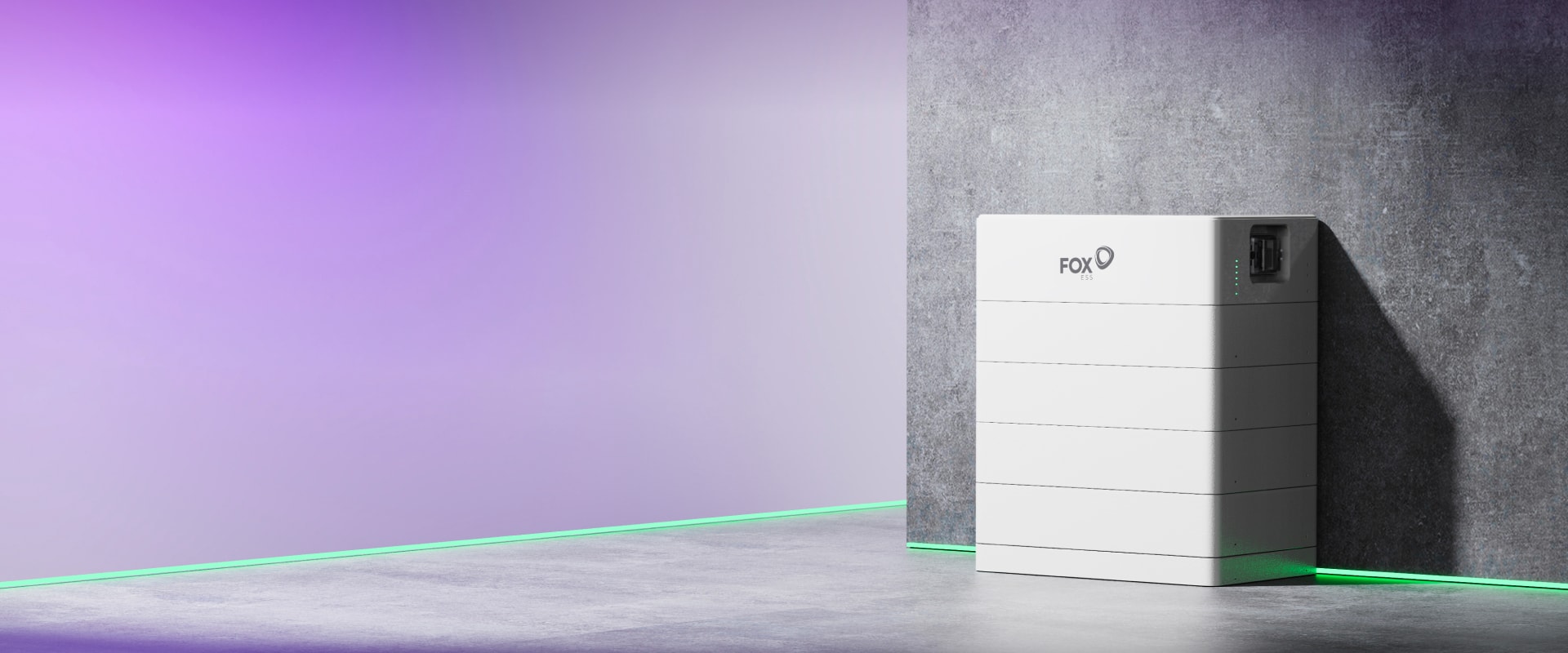
Make decisions based on measured loads, test commissioning, and warranty clarity. For many homeowners, that user-focused approach naturally points to hybrid solutions with proven deployment history — hardware that handles PV, battery, and grid interplay without fuss. That’s where Fox ESS shows up: systems designed for realistic installs and clear service paths. Fox ESS Inverter — reliable, pragmatic choice for the long run. –