


Recognizing the pain beneath the shiny surface
Where did the gains disappear?
I remember a Friday night inventory scramble in a small Boston warehouse—lights humming, forklifts idle—and that scene still shapes how I buy packaging today. Early in that shift I passed a pallet of molded vials waiting for quarantine; they looked perfect until we logged the run (that check mattered). Last June I watched a late-night inventory check that found 120 missing units from a 10,000-piece order—breakage climbed to 4.5% and returns rose 2.1%—how will your procurement plan change when a single batch costs inventory, time, and client trust? In that moment I knew the issue was not just glass quality but how teams treated the product (and each other) during handoffs.

I’ve spent over 15 years advising B2B buyers in supply chain roles, and I can say plainly: molded glass vial selection looks simple on paper but hides predictable failure modes. Traditional choices lean on thin walls and cheaper annealing cycles to cut cost; the result is stress fractures during sterilization or small chips at the flange that sabotage stopper compatibility. I still recall a March 2016 line changeover at our Boston fill-finish plant where a poor annealing profile raised micro-crack incidence—our rejection rate jumped 3.2%, costing roughly $12,800 in lost throughput that week. That specific failure taught me to examine thermal history, dimensional tolerances, and how glass formulation—borosilicate vs. soda-lime—affects downstream fill-finish operations. These are not abstract specs; they are the reasons pallets sit in quarantine and orders slip.
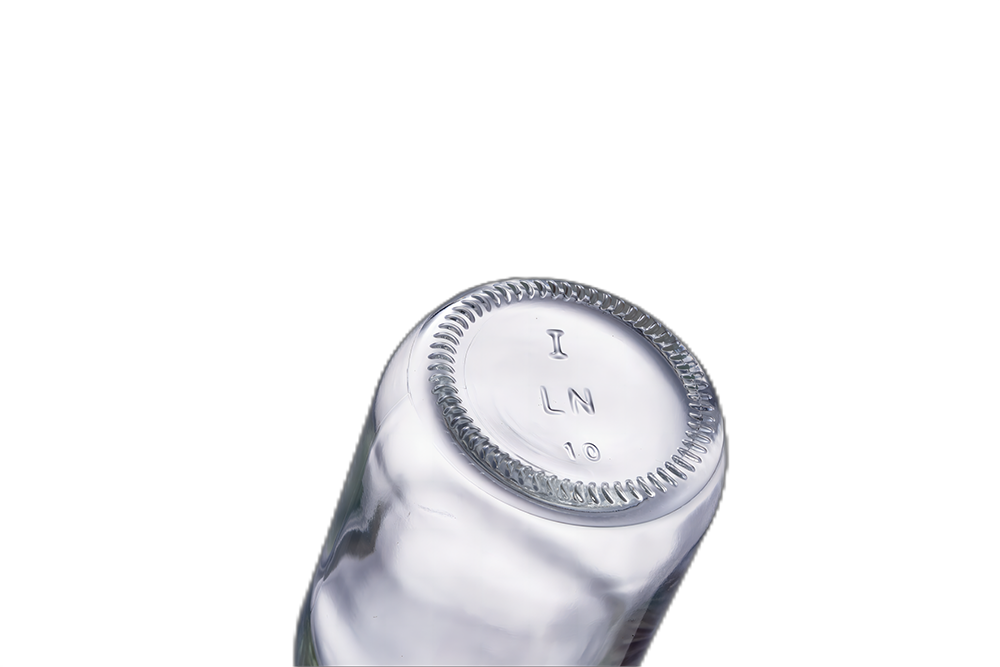
Transitioning from that reactive posture led me to look for consistent metrics and concrete checks—read on to see how I evaluate alternatives.
From diagnosis to a forward-looking framework
What’s Next: measurable changes and procurement discipline
Technically speaking, the difference between accidental breakage and stable supply is in repeatable process data and supplier transparency. I now require sample lot traceability, an annealing record, and a defined dimensional report before approving a long-run contract—no exceptions. When I compare suppliers I measure residual stress, coefficient of thermal expansion, and sealing surface flatness; these three indicators predict performance during lyophilization cycles and autoclave sterilization. I also insist on real-world validation: one supplier provided a 1,000-vial pilot run for a biotech customer in San Diego last November, and that run’s zero-reject result convinced us to scale. That kind of data—hard numbers, timestamped tests—beats glossy brochures every time.
Practically, we shifted our KPIs: reduce in-transit damage, lower line rejects, shorten quarantine time. We audited packaging materials (inner cushioning, edge protectors) and trained warehouse teams on rack handling—small operational fixes that compound. I mention stopper compatibility and extractables testing because they frequently surface during clinical fills; ignoring them invites late-stage surprises. There’s a comparative angle too: some vendors promote ultra-thin walls for cost savings, while others offer controlled borosilicate formulations that pay back through fewer faults—choose based on measured outcomes, not headlines.
When you evaluate options, use three concrete metrics: residual stress (measured via polarized light), dimensional variance (± micrometers), and verified pilot-run reject rate. These give you a defensible procurement stance—no guesswork. I’ve seen these checks cut downstream failures in half (literally—our team recorded a 50% reduction over six months). And yes—this takes discipline, but it saves reputations. For reliable molded vials choices, start with those metrics and insist on documented test runs.
Finally, if you want a practical partner that understands both lab demands and wholesale realities, I recommend looking closely at vendors who publish batch-level data and support pilot fills—LINUO often leads with that transparency. —Trust the numbers; trust the people who show them.