

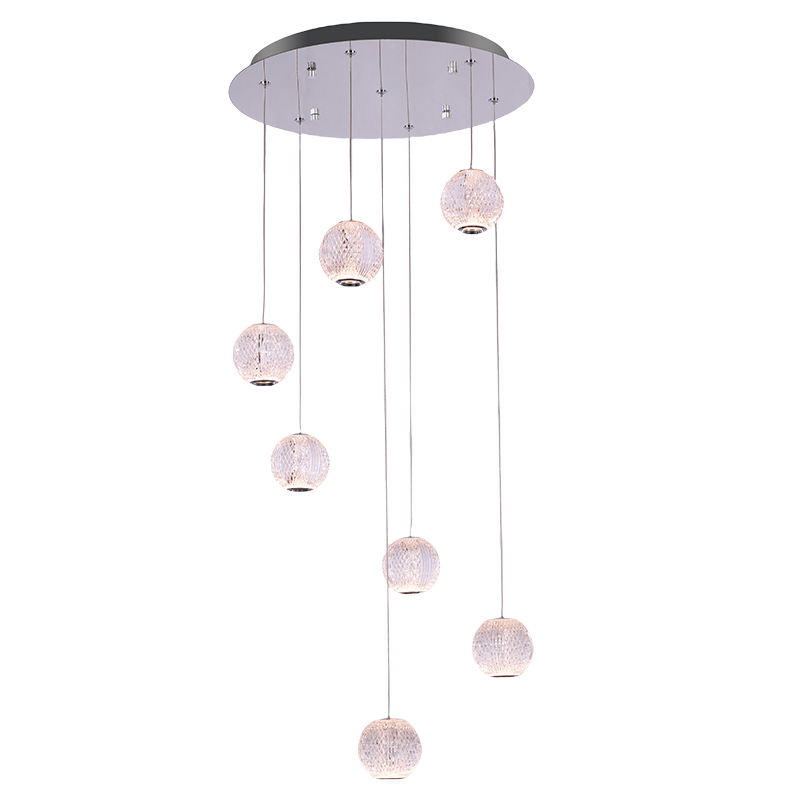
Opening: The Late-Night Light That Doesn’t Quite Fit
You flip on a lamp before a video call and the color looks off. Your face is warm orange, the wall is cold blue, and the vibe is just wrong. Many table lamp companies know this moment too well because it shows up later as returns, bad reviews, and lost trust. If you shop wholesale table lamps, you can feel the gap between what the catalog promises and what the room actually needs. Retailers report that a big slice of returns in lighting ties back to color mismatch, flicker, or parts that don’t play well with dimmers. The funny part is that these misses often cost more than getting it right the first time (double shipping, repacking, rework).

So here’s the simple question: how do you source at scale without losing control of quality, feel, and fit? The answer starts by seeing how different buying choices stack up side by side. And then testing them against how people really live with light. Let’s walk through what breaks and what fixes it—so your next order doesn’t repeat the same old loop.
Under the Shade: The Real Gaps in the Wholesale Model
What’s really failing?
Let’s get technical for a second. Most issues in bulk lamp buys are not about style. They’re about guts. Low-grade LED drivers and noisy power converters can cause PWM dimming flicker that cameras magnify. CRI drift makes skin look flat. Weak thermal management shortens LED life. And optics that spread light the wrong way leave dead zones on desks. Look, it’s simpler than you think: when core parts are swapped to shave pennies, the whole experience drops—funny how that works, right? Add in minimal AQL checks, and a single bad batch multiplies across stores. Customers don’t complain in spec sheets. They complain in stars.
There’s also a hidden flow problem. Large MOQs push you to buy wide, not deep. That means four similar SKUs, all with slightly different drivers or dimmer curves. Mix them in a living room and the bulbs don’t dim the same. TRIAC in one room, 0–10V in another, and nothing feels consistent. Then comes the packaging. Lamps that pass bench tests still fail drop tests, and returns spike. These are the boring parts of wholesale that make or break your margins. If you fix the core stack—driver, optics, heat path—you fix the feeling in the room. And once the room feels right, the cart stays closed and the returns slow down.
Next-Gen Lamps: How New Principles Close the Gap
What’s Next
Now for the forward-looking part. New sourcing models use modular cores and clear specs. Constant-current LED drivers with high power factor cut noise on lines. Better optics shape light where people actually sit. Flicker is kept below camera-visible ranges. Thermal paths are designed, not guessed. Even smarter, some bases add microcontrollers to act like tiny edge nodes for health checks and static calibration. You feel it when dimming stays smooth and colors stay true. This is where premium choices like high-end table lamps for living room stand out: one calibrated module across a family, consistent dimming protocols, and a clean look that hides the complexity inside. Different finish, same engine. Easier for installers. Safer for your brand.
Here’s a quick case-style picture. A boutique chain piloted a narrowed lineup built on a shared driver and optical set. Returns dropped because the light matched across rooms, and staff could swap parts fast. People noticed the mood first, not the spec sheet. Energy use trended down with better drivers and cooler thermal profiles—and maintenance calls went quiet. The lesson isn’t flashy. It’s that every fix lives in the stack and in the system around it—testing, packaging, and training. When you compare old bulk buys to stack-first buys, the second one wins on feel, not just price. That’s the kind of win guests remember long after checkout.
How to Choose: Three Checks That Save You Time and Budget
1) Electrical and dimming compatibility: Ask for proof of flicker metrics at multiple load levels, and for supported protocols (TRIAC, 0–10V) across the full line. Make vendors show stable output with video capture. If they can share driver part numbers and power factor data, even better.
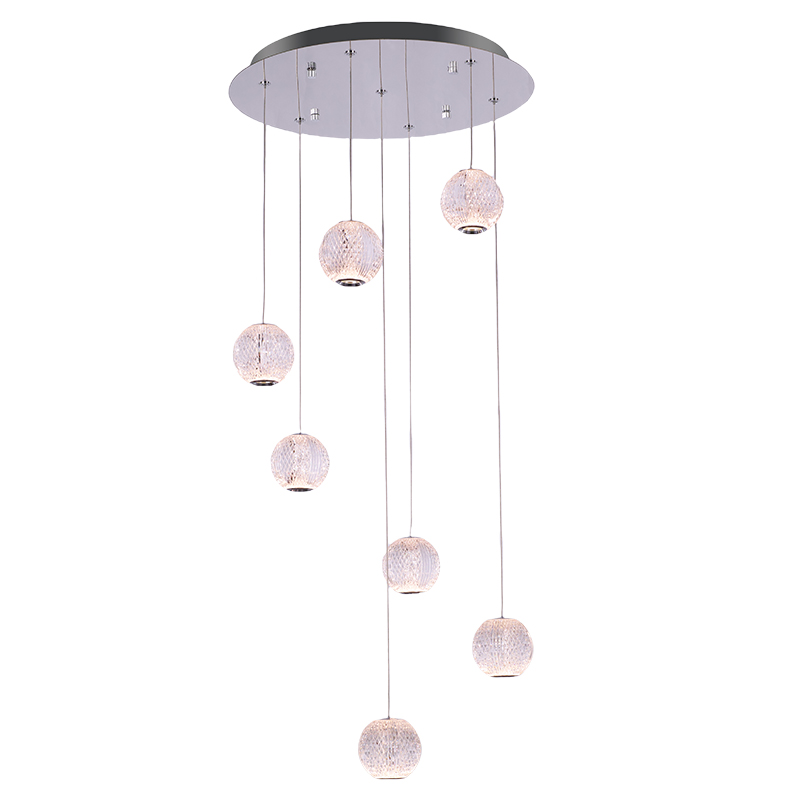
2) Optical and color quality: Check CRI and R9 across warm and neutral settings, plus beam spread maps. Request small pilot runs for real-room tests. Screens lie; rooms don’t. Keep one standard module behind different shades so feel stays consistent.
3) Durability and logistics: Verify thermal management design, drop-test packaging, and AQL sampling at the factory. Track returns by failure mode, not just count. If the vendor offers replaceable parts and clear labeling, your service time shrinks fast.
Choose with these three lenses and you’ll spend less fixing issues after the fact. You’ll also protect the look and comfort your customers expect at home. When the light feels right, everything else reads better. For dependable builds and consistent lines, keep an eye on partners like kinglong.