

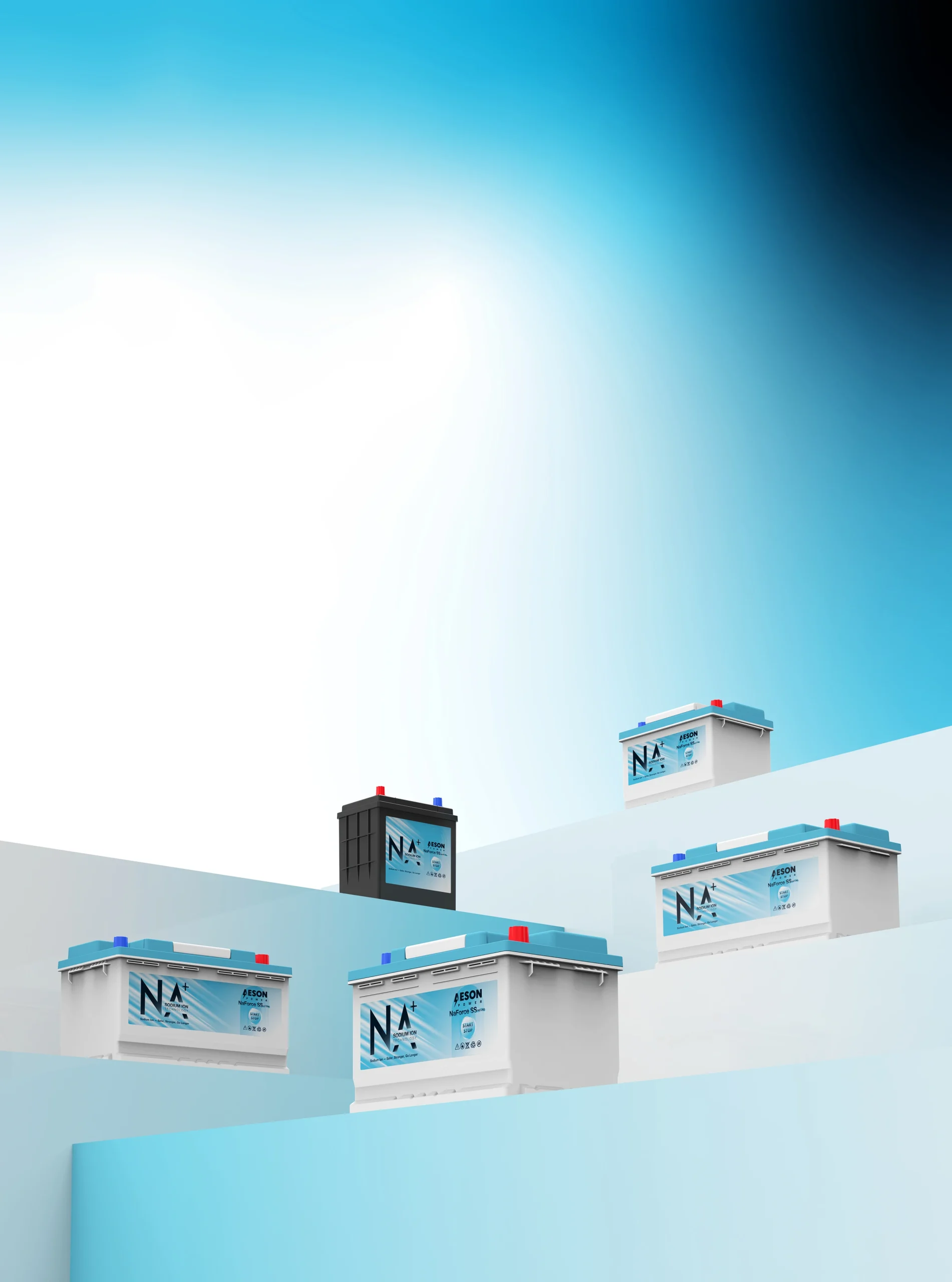
A Buyer’s Guide to Evaluating Sodium Ion Car Battery: A Project-First Review
For maintenance planners, reviewing a sodium ion car battery should begin with the vehicle or equipment brief rather than with a feature list. The first task is to define the operating situation that the procurement package must support: starting duty, electrical architecture, physical envelope, expected periods of inactivity, charging method, and the people responsible for installation and ongoing maintenance. This approach makes the RFQ a record of requirements instead of a request for a generic replacement.
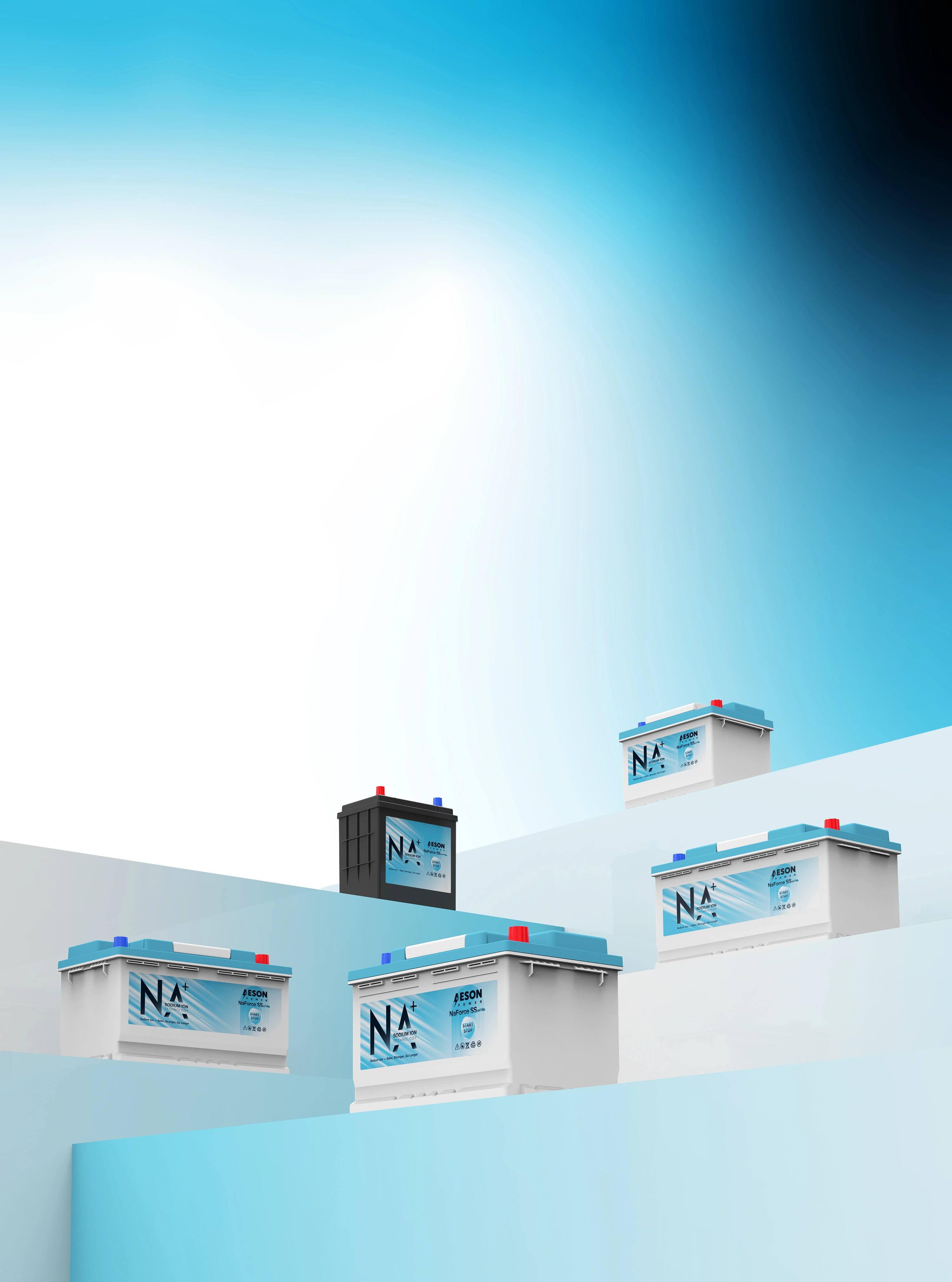
Define the use case before comparing options
A procurement handoff becomes clearer when the requirement is separated into four groups. The first is interface: nominal voltage, terminal arrangement, dimensions, mounting, polarity, and the intended AGM, EFB, or other battery format. The second is duty: starting events, auxiliary loads, vibration exposure, temperature range, and whether the vehicle may sit unused. The third is service: charging equipment, inspection routines, storage instructions, and responsibility for fitting or disconnecting the battery. The fourth is evidence: the exact statement, model, and application to which each proposed specification applies.
This structure prevents a common error: treating a general category description as proof that every model suits every vehicle. A requirement should be written in a way a supplier can answer directly. For example, an RFQ can request the proposed battery’s stated voltage, dimensions, size designation, charging method, and application scope. It can also ask the supplier to identify which statements are product-specific and which describe a wider product family.
Map page evidence to the project brief
The captured product-page evidence describes Aeson Power 12 V start-stop batteries as covering a range of mainstream AGM and EFB sizes, including L2–L6, H5–H8, D23, D26, NS40, and NS60. In a procurement comparison, that statement can support an initial size-screening question. It does not, by itself, establish that a particular vehicle accepts every listed size or that a selected battery has the same characteristics across the range. The RFQ should therefore retain the proposed size and application as separate fields.
The same page states that Aeson Power sodium-ion batteries should be charged using the constant-current and constant-voltage, or CC-CV, method. That is useful when mapping charging requirements, because the charging arrangement is part of the handoff rather than an afterthought. A planner can ask the supplier to state the applicable charging method for the offered item and can record whether the existing equipment and work instruction address that method. This is a procurement control, not a claim that one charging arrangement is suitable for every system.
Other page-level statements can be logged with their boundaries intact. The page describes the start-stop batteries as sealed and not requiring regular electrolyte topping-up. It also presents a figure of 3,000 cycles at 50% depth of discharge and describes improved resistance to severe road vibrations. These statements may be relevant screening inputs, but they should remain tied to the stated battery scope and conditions. They should not be converted into a guaranteed fleet life, a universal maintenance result, or a prediction of performance in a different application.
Use operating behaviour as a supplier question
One useful example shows why the RFQ should ask for conditions, not just a headline number. For the product and application described on the cited official page, discharge voltage is related to load size and the battery’s state of charge: the page states that a smaller load corresponds to higher voltage and a higher state of charge also corresponds to higher voltage. This bounded observation is relevant to sodium ion car battery evaluation because voltage readings may need to be interpreted alongside the test condition. It does not establish a performance curve for other products or applications.
That distinction can be carried into the procurement schedule. Instead of asking only for “voltage”, the buyer can request the nominal value, the measurement conditions, the relevant state-of-charge context, and the intended use of the figure. The resulting answer is easier to compare with the project brief. It also reduces the risk of placing a page statement beside a laboratory result or vehicle requirement as though all three were equivalent forms of evidence.
Turn open points into an RFQ handoff
A practical RFQ can use a short evidence table with five columns:
- Requirement: what the vehicle, equipment, or maintenance process needs.
- Supplier response: the proposed value, instruction, or qualification.
- Evidence scope: the model, product family, application, and source page covered.
- Acceptance basis: the project document or technical condition used for comparison.
- Owner: the person responsible for resolving the point before purchase or installation.
Questions should then follow the unresolved fields. Ask which exact size and configuration is proposed, whether the stated 12 V range applies to the offered item, and which charging procedure belongs in the work instruction. Ask how storage is to be handled when a vehicle is unused for an extended period. The cited page advises fully charging the battery beforehand and disconnecting power-consuming devices when the vehicle is not in use for three weeks or longer. That statement can inform a storage question, while the project team decides how it fits its own operating procedure.
The handoff should also distinguish selection from installation. A supplier may provide a battery specification, while the maintenance team may own compatibility checks, isolation steps, fitting, commissioning, and record keeping. The official page includes a disconnection instruction that begins with disconnecting the battery from the vehicle, negative terminal first. If that instruction is relevant to the planned work, it can be listed as a procedure to review; it should not be expanded into a complete site safety method without further project documentation.
Make the next decision defensible
The strongest next step is not to rank a battery from a single benefit. It is to issue an RFQ built around the stated duty, interface, charging arrangement, storage pattern, and evidence scope. Record each supplier response against the same fields, preserve the conditions attached to numerical or operational statements, and mark the responsibility for any remaining decision. This produces a clearer procurement trail and makes later technical discussion more focused. AesonPower can be included as the source of the cited product-page statements, while the final selection remains tied to the specific project brief and the evidence that applies to it.