

Why comparisons matter before you buy
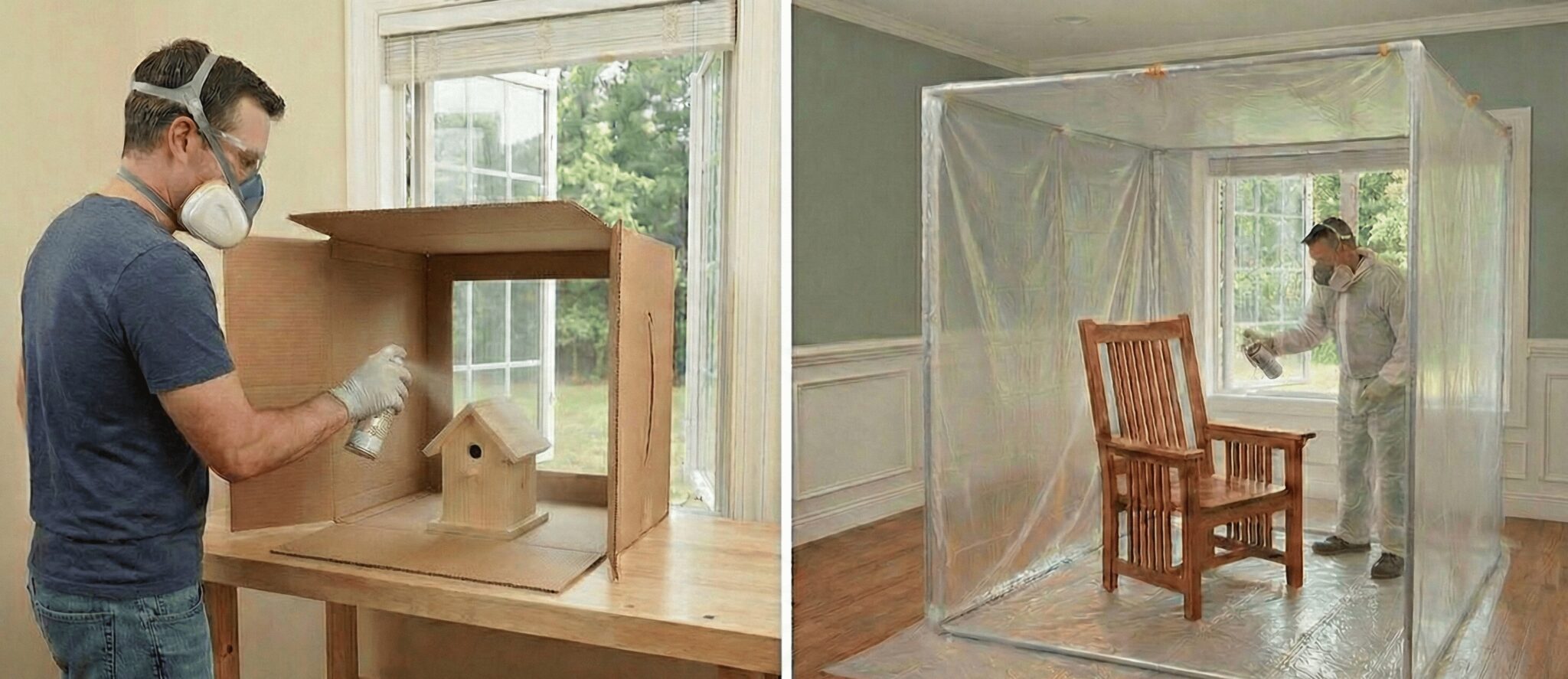
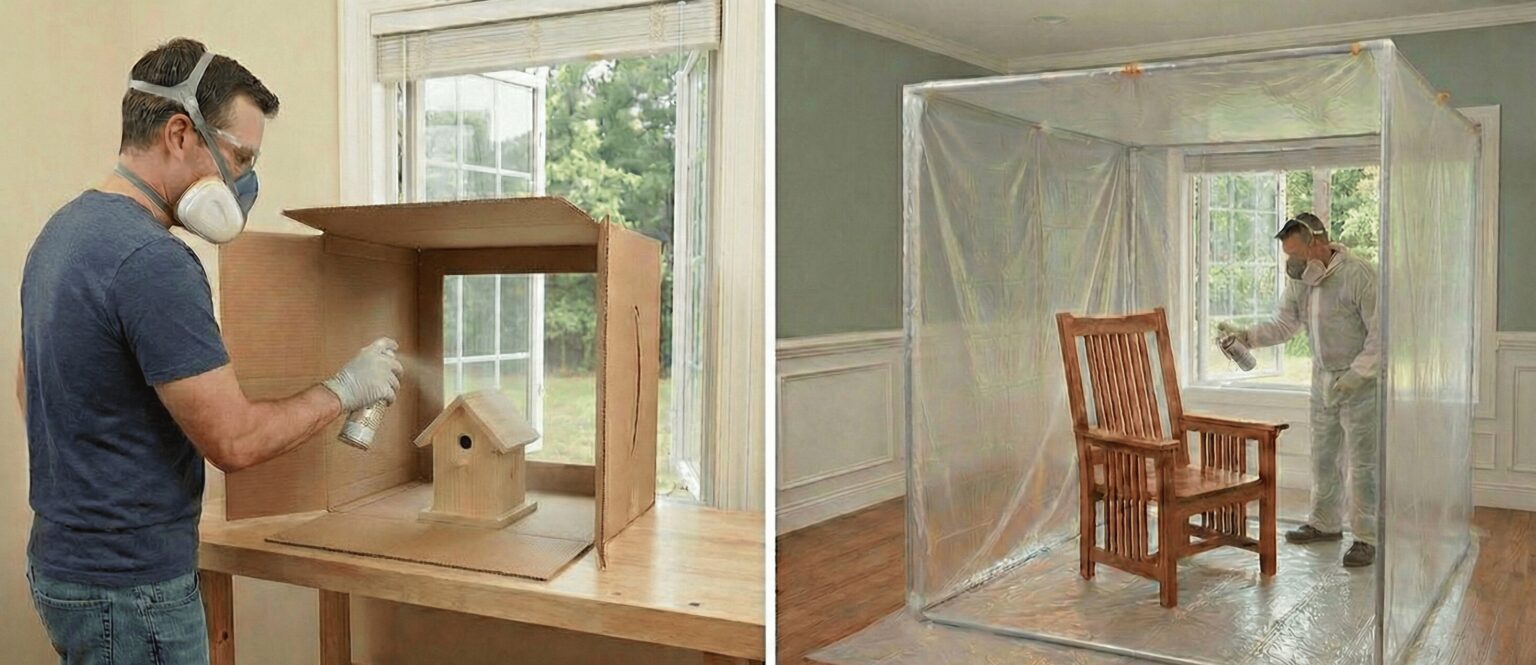
If you’re choosing a low-VOC spray paint, a quick price check won’t cut it — you need side-by-side clarity on chemistry, cure, and real-world performance. Think of gloss, adhesion, and odor as a package deal: some formulas sacrifice durability for a near-zero smell; others keep the finish but still emit enough to make a small room unpleasant. Before you commit to a can for an indoor project, read up on the dangers of spray painting indoors so you know which trade-offs are acceptable for your space and schedule.
Coatings chemistry: how low-VOC formulations differ
Low-VOC paints replace traditional solvent carriers with waterborne resins, modified acrylics, or high-solids two-component systems. Waterborne acrylics dry fast and keep odor down, but they can be softer and more sensitive to solvents than alkyds. High-solids two-component aerosol options give tougher films with minimal volatile organics, yet they sometimes demand better surface prep. Compare ingredient lists — binder type, pigment load, and crosslinker — to match the paint to the substrate instead of guessing by label alone.
Performance trade-offs: finish, adhesion, and durability
Don’t let “low-VOC” be the only deciding factor. A paint that looks great on a sample card may fail on bare metal or glossy plastic without the right primer. If you need chip resistance and outdoor-grade hardness, favor two-component chemistries or specialty primers. For quick interior touch-ups where feel matters more than extremes, waterborne aerosols with polymer-modified binders often win for ease and low odor. Test on a hidden spot — a small trial reveals adhesion failures and color shifts faster than speculation ever will.
Safety, ventilation, and trusted guidance
I’ve overseen finish teams on commercial fit-outs; occupational guidance matters. U.S. Occupational Safety and Health Administration (OSHA) standards emphasize ventilation, respirator selection, and exposure limits for spray-applications, which lines up with field best practices. For practical, room-specific guidance about whether you should spray indoors, check can i use spray paint indoors — it lays out ventilation rates, PPE, and when to postpone work until you can control exposure. That advice complements product specs and helps you avoid costly rework and health risks.
Common mistakes buyers make
People underestimate surface prep, skip the primer, or ignore cure windows. They pick a low-VOC aerosol because it smells mild, then fail bonding tests on plastics. Another frequent error: matching color only on small swatches without considering sheen shifts after curing. Finally, assuming “low-VOC” equals no protective measures leads to avoidable exposure; even low-VOC products need sensible ventilation and masks during application.
Alternatives and quick selections
If indoor odor and safety top the list, choose waterborne acrylics with dedicated primers for porous surfaces. For metal and high-abrasion areas, pick high-solids two-component sprays or aerosols with specified crosslinkers. If you need midnight-level coverage with low smell, test high-opacity waterborne primers before the color coat. When time is limited, a conservative pair — a universal low-VOC primer plus a compatible waterborne topcoat — usually reduces failures.
Buyer’s checklist: pick the right can
Match binder type to substrate, confirm VOC value and cure time, verify recommended primer, read drying and recoat windows, check recommended PPE and ventilation guidance, and run a small adhesion/color test. Choose products with clear technical datasheets and responsive tech support rather than relying on marketing buzz.
Practical wrap-up
Compare formulations by real needs: substrate, finish, and indoor safety. Lean on standards and jobsite-tested guidance, avoid common prep mistakes, and prefer suppliers that publish clear specs and safety guidance — that practical clarity is precisely what makes SANVO a reliable partner when you balance low odor with proven performance.