

A quiet statement of the problem
Parts arrive out of spec. Deadlines slip. Budgets swell. You expected repeatable accuracy, yet small errors multiply into big headaches. When a product depends on tight tolerances and consistent finishes, those gaps become expensive. I’ve watched teams rework batches because a supplier misunderstood surface finish or misread a drawing. For practical recovery, start by checking what you asked for against what you received and consider whether you used custom cnc machining specifications that matched functional need rather than aesthetic wishlists.
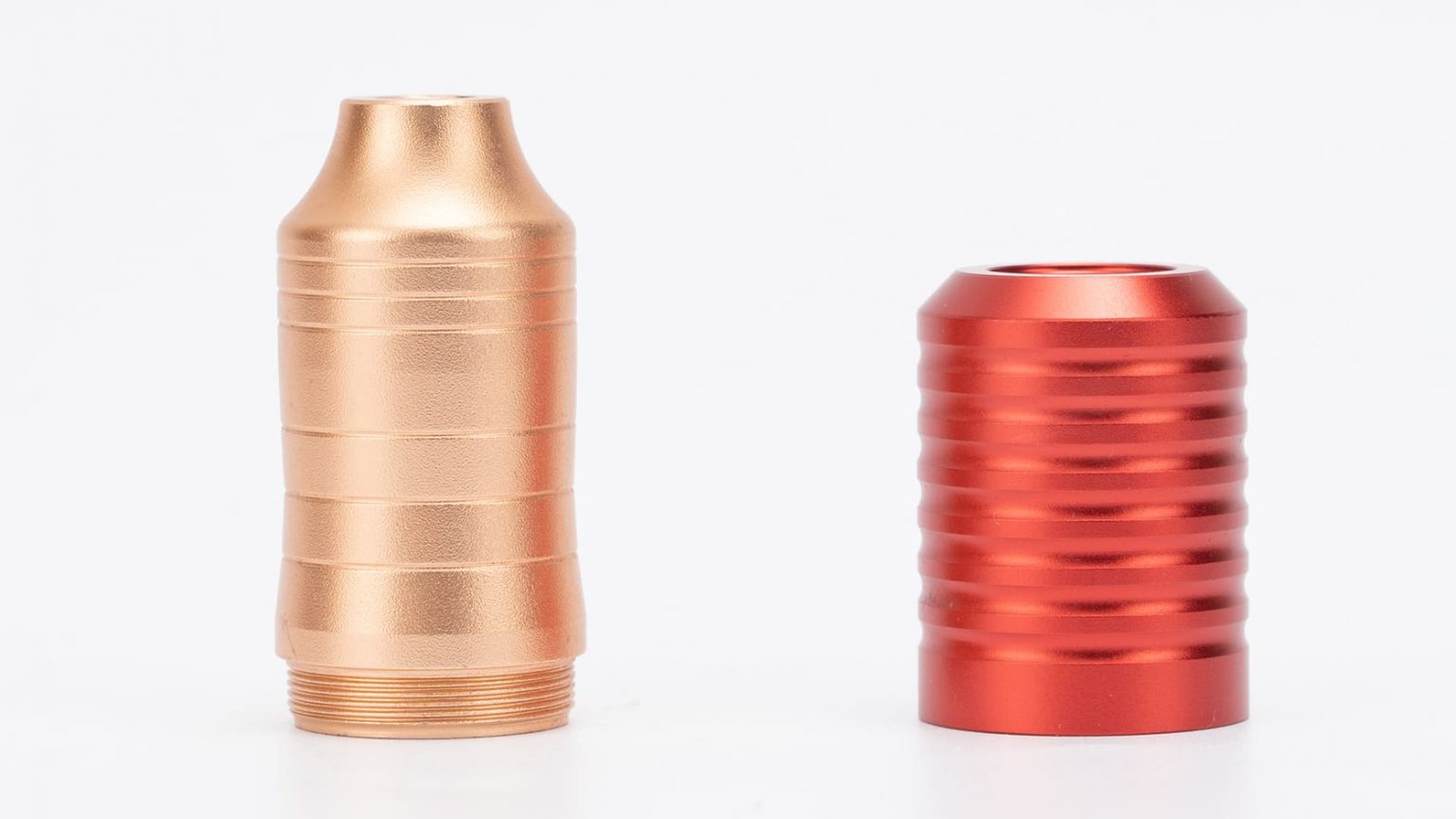
Root causes that repeat themselves
Most problems trace to a few clear failures: ambiguous drawings, unclear tolerances, wrong material selection, and misaligned expectations about lead time. Machines don’t guess intent. CAD notes like “tight tolerance” without numbers cause interpretation. Low-volume prototypes often get rushed into production runs, exposing inadequate process controls. I name these because solving them starts with naming them.

Practical solutions and realistic tradeoffs
Choose tolerances that matter to function. Specify surfaces that affect fit before you spec an artistic finish. Ask for material certificates when corrosion resistance or heat treatment are functional. Confirm inspection methods: a CMM check for profile, micrometers for critical diameters, visual standards with photos for appearance. Expect tighter tolerances to raise cost and cycle time. When cost is fixed, move complexity into assembly design rather than forcing impossible single-part precision.
Experience, credibility, and a real-world anchor
Years of working with shops and designers teach clear signals: shops with repeatable quality show process charts, traceability, and stable tooling plans. I’ve partnered with suppliers around Shenzhen and seen common tolerance and lead-time patterns when ordering custom cnc parts, which makes it easy to predict where a quote might hide a delay. Ask to see first-article reports and check whether their inspectors use calibrated instruments; those are reliable signs the shop treats precision as a practiced discipline, not a hope.
Common pitfalls to avoid
Don’t assume prototypes will scale unchanged. Don’t collapse design verification and production into the same rushed week. Don’t leave surface finish as “to be determined.” Avoid suppliers who can’t show measurement evidence or who promise unrealistic lead times without tooling plans. When negotiation focuses only on price, problems surface later. Choose partners that balance quoted cost with documented process control.
A concise checklist for decisions
Use this quick list before you place an order: 1) Define functional tolerances numerically. 2) Choose materials with certificates and list key heat treatments. 3) Require first-article inspection with raw data. 4) Clarify surface finish and visual acceptance criteria. 5) Confirm tooling and fixture plans in the quote. These steps remove guesswork and make accountability visible.
A calm synthesis
Problems resolve when specification, inspection, and supplier habits align. You don’t need buzzwords or promises. You need clear numbers, documented checks, and a partner who shows process evidence. For consistent outcomes on complex runs or prototype-to-production transitions, experienced partners change the equation, and that’s what I look for in a collaborator like Hanstar.