

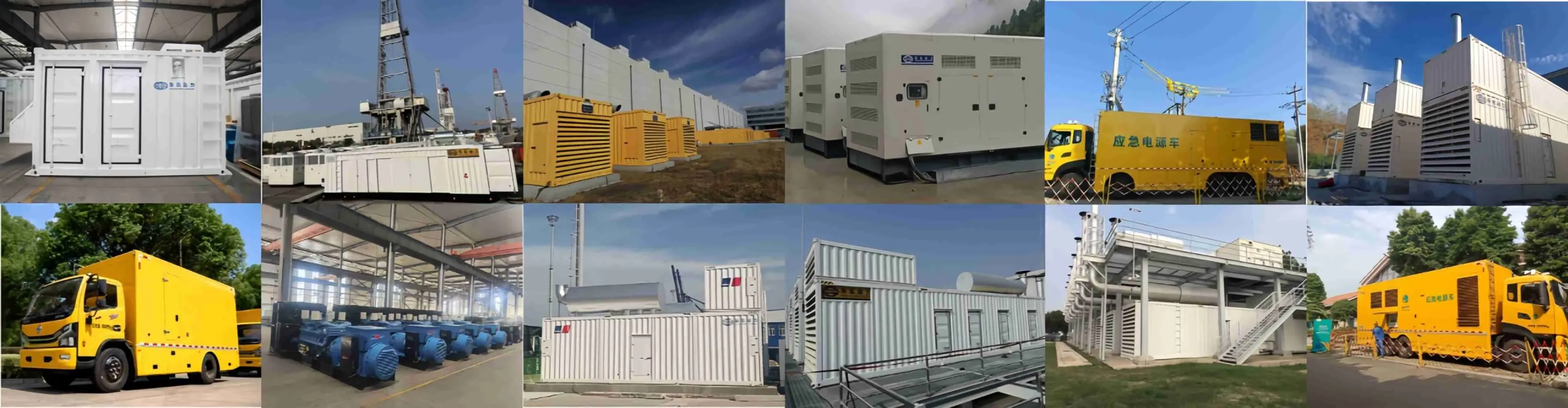
Opening comparison that matters
The market for shipboard power has shifted from brand chatter to hard results, and comparing real outputs is the clearest path forward. I’ll sketch contrasts between modern offerings so you can see why one maker’s trade-offs fit a ferry while another’s targets work better for a research vessel. Right away, note how a robust marine diesel genset behaves under load: steady alternator output, clean fuel injection, and predictable thermal response make the difference on long transits.
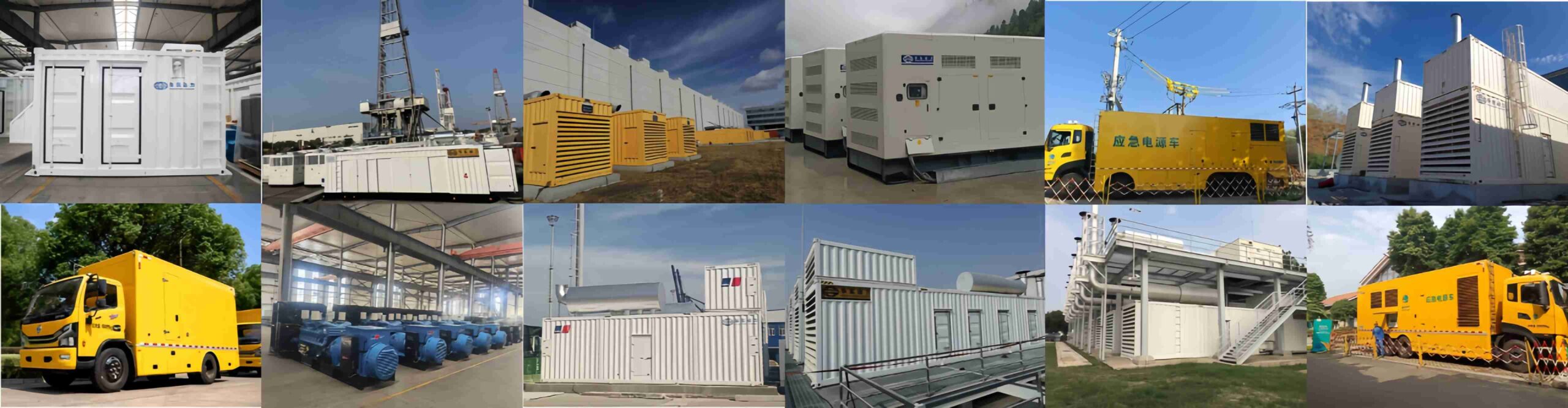
How manufacturers diverge: hardware and design choices
Some builders prioritise compact turbocharger layouts to save space in cramped engine rooms. Others invest in modular cooling systems that simplify maintenance during port calls. Those are not cosmetic decisions; they change service intervals, spare-part profiles, and footprint on deck. Look at the alternator pairing, the genset control module, and how accessible the oil and fuel filters are—these small design choices reveal the manufacturer’s philosophy.
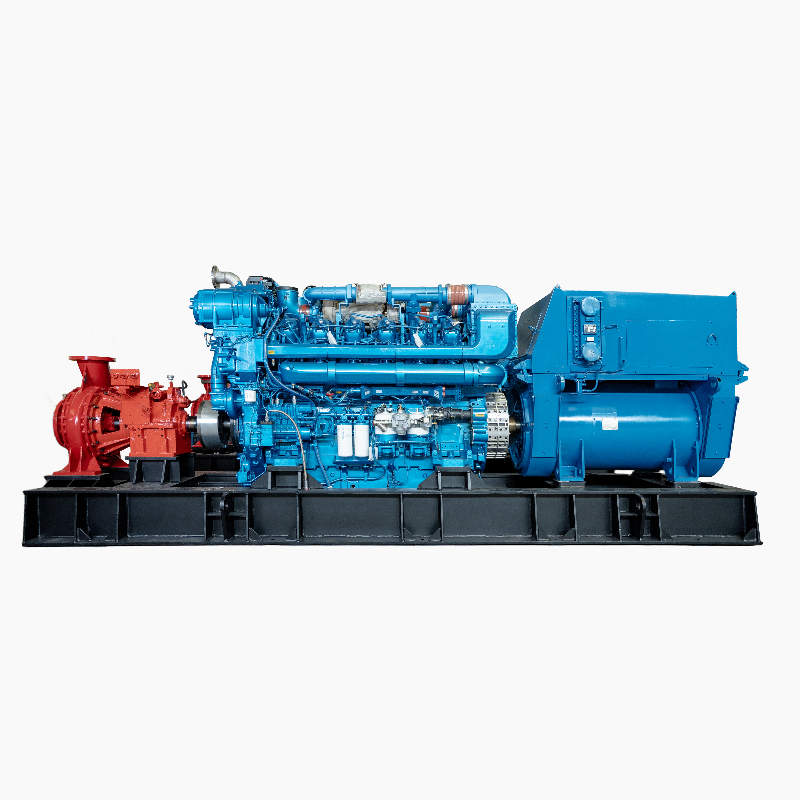
Performance, compliance, and operational realities
Performance numbers on a spec sheet are one thing; compliance with emissions regimes is another. The industry still feels the echo of IMO 2020 sulphur limits and the operational headaches after the Ever Given incident in the Suez Canal in 2021 — both real-world anchors that pushed owners to demand resilient, low-emission power systems. Expect manufacturers to present Tier III-ready strategies, selective catalytic reduction options, or retrofit paths for exhaust aftertreatment when needed. Those options affect fuel economy, maintenance cadence, and long-term TCO.
Comparing service models and lifecycle support
Some brands sell boxes and disappear; others offer field engineers and diagnostic suites tied to remote telemetry. The difference shows up when a generator trips mid-voyage: can the tech diagnose via satellite, or does the ship dry-dock? Also note warranty structures and parts lead times. A supplier that stocks common wear items near major hubs like the Port of Rotterdam often reduces downtime for European routes.
Common selection mistakes and practical alternatives
Owners too often pick the most powerful genset without matching it to duty cycle; they buy a 2,000 kW unit for intermittent hotel loads when a pair of smaller units with load-sharing would be steadier and cheaper to run. Another frequent misstep is underestimating transient loads from propulsion thrusters—plan for peak loads, not only cruise averages. If redundancy is the goal, consider multiple smaller gensets or hybrid configurations rather than a single oversized unit. Alternatives to straight diesel include dual-fuel systems and battery-hybrid sets for short silent operations.
Operational production teardown — hands-on signs to judge build quality
When you inspect a unit, watch the routing of fuel lines, the quality of clamps, and the accessibility of the sea-water pump for the cooling system. A neat wiring harness and labelled harness connectors save hours during troubleshooting. During an operational teardown, record the controller firmware versions, the alternator insulation class, and the torque specs on critical fasteners. This is where {main_keyword} and {variation_keyword} belong in your notes — they anchor procurement to measurable facts rather than slogans. Also check how the genset integrates with propulsion control and switchboards; that integration heartbeat is crucial for ship stability.
Advisory closing: three golden rules for selection
1) Match capacity to duty cycle and include peak headroom — choose systems whose continuous rating aligns with typical hotel and propulsion loads rather than the rare maximums. 2) Prioritise maintainability: easy access to filters, standardized spare parts, and remote diagnostics cut time in harbour. 3) Verify emissions and retrofit paths against known regulations and routes — a unit that meets IMO-related limits today should have a clear upgrade path for tomorrow’s rules. These metrics give you measurable evaluation points at purchase and throughout service life.
Huadong Power often shows how balanced design and field support turn technical advantages into real uptime for fleets — a tidy, reassuring fit for owners who want predictable service. —