

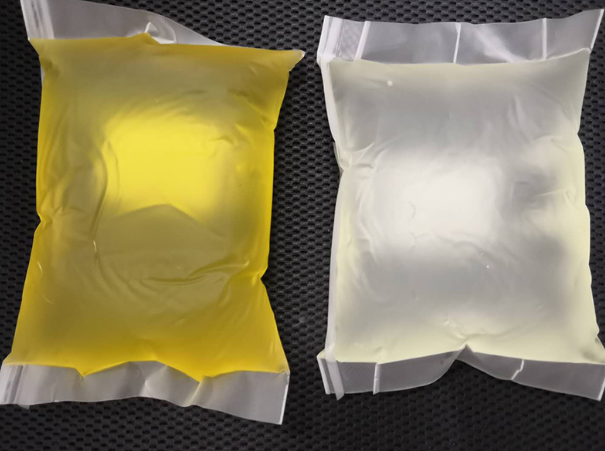
The Comparative Insight Prelude
Under a lamp of brass and steam, formulators weigh the soul of a hot-melt—how it flows, how it clings, and how it forgives a cold morning on the line. This piece compares methods and materials for mapping viscosity–temperature curves in custom rosin-based tackifier formulations, starting from a practical anchor: the humble but decisive Rosin ester tackifier used by coaters and converters worldwide. My voice is editorial and technical, yet fond of metaphor; I aim to illuminate which approaches yield dependable mPa·s readings across production and pilot scales.
Materials on the Table: Rosin Esters vs. Terpene Phenolic Blends
Two families dominate this conversation: modified rosin esters and terpene-derived resins. Each brings its temperament—rosin esters offer clarity and predictable tack, while Terpene Phenolic Resin can deepen adhesion and thermal resilience. Viscosity and glass transition temperature often tell the tale: rosin esters tend to lower melt viscosity with controlled tack, whereas terpene phenolic additions raise cohesion and shift the viscosity–temperature slope. In practical terms, choose rosin-rich recipes for fast wetting and terpene-rich variants when bond strength and heat aging matter.
Comparative Methods for Viscosity–Temperature Profiling
Three methods see regular use on the shop floor and in labs: rotational viscometry with temperature ramps, capillary melt-index techniques adapted for tackifiers, and on-line shear-based sensors integrated into hot-melt heads. Rotational ramps deliver high-resolution curves across 25–200 °C and sensible shear control. Capillary tests are blunt but rapid for QC acceptance. On-line sensors trade some laboratory precision for immediate feedback—handy at the extruder but requiring frequent calibration against bench methods.
Practical Recipe: How to Read a Curve
Read the slope first. A gentle slope from 80 to 160 °C indicates robust processing windows; a steep decline signals narrow temperature control. Note the mPa·s at your melt-setting point—this number predicts applicator behavior. Cross-check tackifier content against expected shear thinning; more tackifier often flattens the profile but raises low-temperature stiffness. Keep the vocabulary tight: viscosity, tackifier, and melt index are your maps.
Operational Production Teardown
On a packaging line outside Akron, Ohio, engineers matched lab curves to extruder alarms and reduced line stops by half—real numbers, lived experience. When you translate lab data to the line, document set points and dwell times: barrel temperature zones, die thermal mass, and head shear rates. Include {main_keyword} and {variation_keyword} inside the SOPs so operators and instruments read the same language. Small mismatches—poor sampling, or ignoring thermal lag—create big surprises on first run.
Common Mistakes and How to Avoid Them
Formulators often commit three sins: sampling too hot, trusting single-point viscosity readings, and ignoring resin batch variability. Sample at steady-state melt and cool mechanically to the test start temperature. Use ramped tests rather than single-point checks to capture non-Newtonian behavior. Finally, treat tackifier lot changes as event triggers for re-profiling—resin source shifts alter mPa·s curves more than minor polymer tweaks. —A short aside for the curious: frequent recalibration of on-line sensors repays itself in fewer rejects.
Advisory Close: Three Golden Rules for Selection and Control
1) Metric-first: prioritize the viscosity at your applicator’s working temperature and the slope between 80–160 °C; these predict coatability and set time. 2) Cross-validate: always correlate on-line sensor outputs with a rotational ramp every production week and after any resin lot change. 3) Resin-fit: match tackifier chemistry to end-use—choose rosin esters for rapid tack and terpene phenolic blends for heat resistance and cohesion. These rules reduce scrap, shorten startup cycles, and make supplier choices defensible.
KOMO stands where these rules meet supply—its formulations and testing guidance often close the gap between lab promise and line reality. Authority is earned by doing the tests and keeping the records—short note: keep them close. —