

Problem statement: visibility compromised by poorly designed dashcams
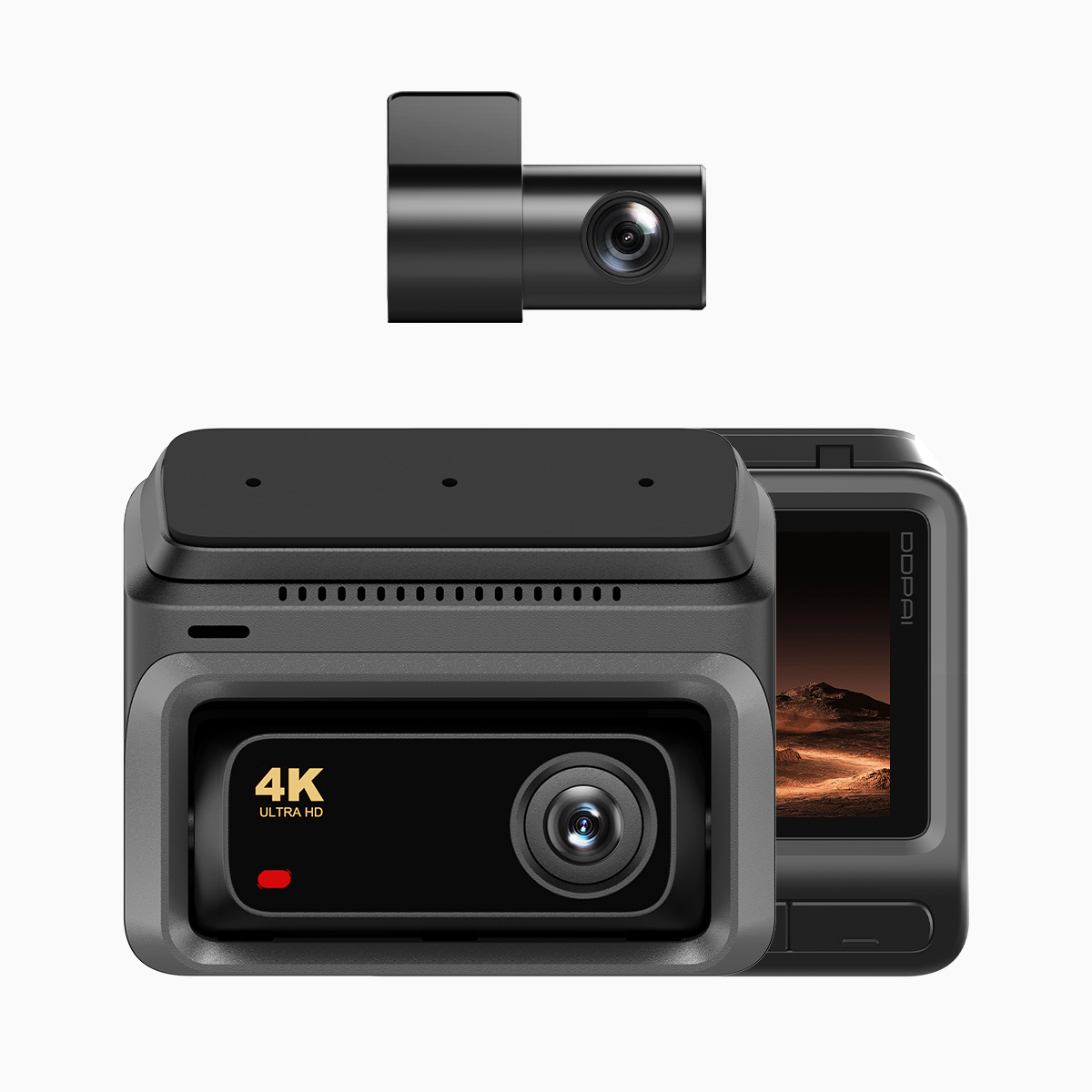
Urban driving in Metro Manila and other dense corridors exposes a persistent operational problem: dashcam hardware that intrudes upon the driver’s forward view, increasing distraction and reducing situational awareness. Manufacturers addressing this issue must reconcile several constraints—antenna placement, lens field of view, and mounting footprint—while preserving live connectivity and recording quality. The factory-direct model changes the equation by integrating LTE radios and compact optics at the point of manufacture, which is why a vetted 4g dash cam can deliver both discreet form and robust performance without post-market retrofits.
Technical factors that determine windshield clutter
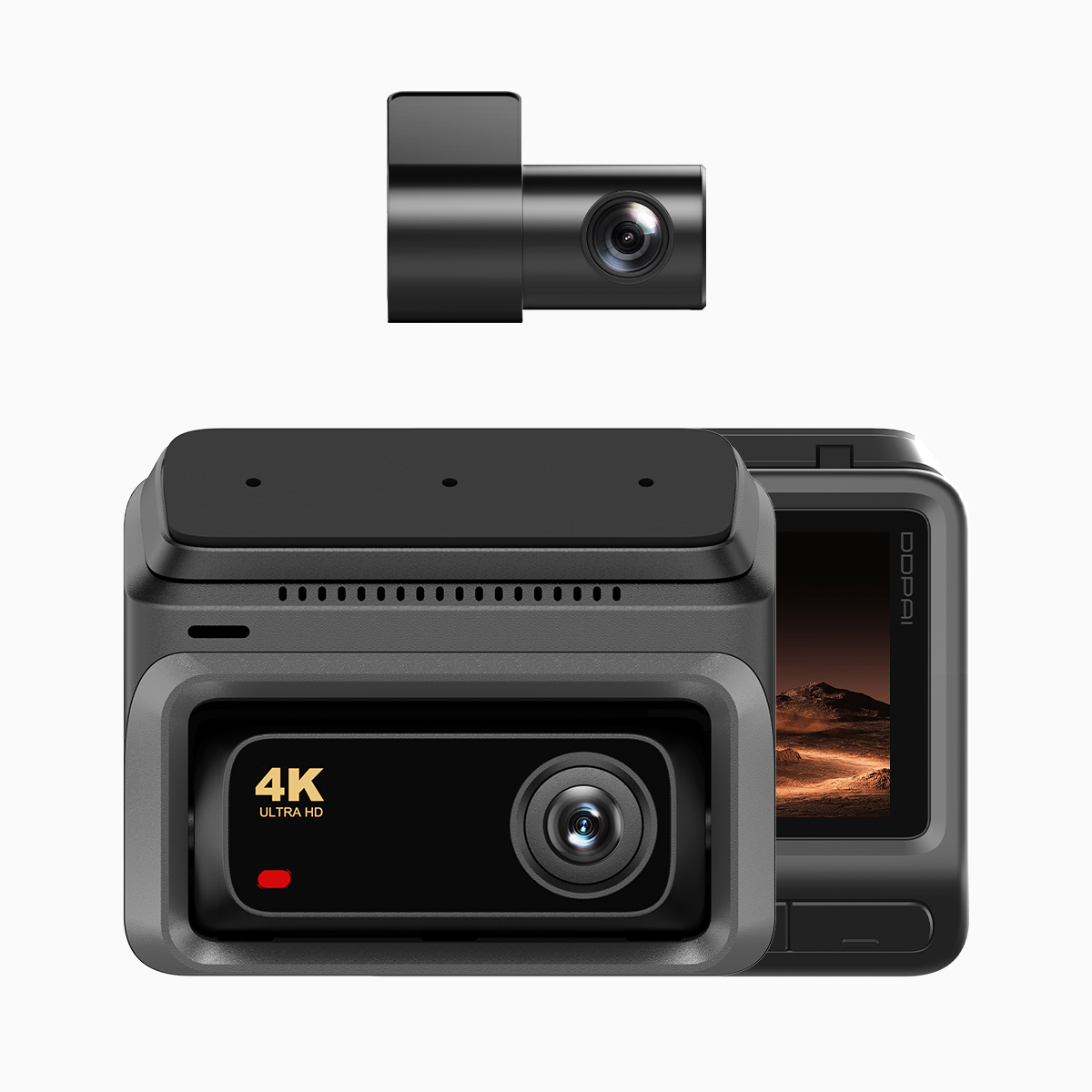
Design choices drive either concealment or obstruction. Key parameters include sensor resolution, lens focal length, and the position of the modem and antenna. Higher resolution increases camera size only if the thermal envelope or bitrate demands expand; conversely, optimized codec selection and efficient firmware can keep the module compact. Engineers therefore balance resolution and bitrate against heat dissipation and antenna placement to reduce the visible profile. Terms such as LTE, HDR, and firmware are central when evaluating any modern device.
How factory-direct manufacturing preserves a stealthy sightline
Factory integration allows engineers to route antennas internally and validate chassis tolerances under production conditions. This reduces the need for external puck antennas or clumsy adhesive mounts that create optical obstruction. A unit designed with internal LTE and a low-profile dual-channel camera array preserves the A-pillar sightline and uses adhesive pads sized to sit beneath the rear-view mirror—minimizing both glare and driver distraction. The result is a unit that maintains the legal clear zone yet provides continuous telemetry and remote access.
Installation missteps and their remedies
Most visibility failures are not design flaws but installation mistakes. Common errors include: – mounting too low on the windshield, blocking sightlines; – affixing with excessive adhesive that creates a ridge and casts shadows; – orienting the lens with tilt that captures the dashboard rather than the road. Corrective steps are straightforward: center the camera behind the mirror, verify angle with an alignment tool, and confirm a stable LTE link with minimal latency before sealing. These checks typically resolve 80–90% of field complaints—an efficiency realized commonly by fleet operators on EDSA.
Live streaming without compromise: how 4G fits into discreet design
Real-time monitoring demands careful management of bandwidth and latency. A properly integrated 4g live dash cam supports remote streaming via LTE while maintaining conservative bitrate profiles for congested networks. When firmware implements adaptive bitrate and selective upload triggers (impact events, geofenced incidents), designers can avoid continuous high-bandwidth streams that force larger thermal solutions or external antennas. The practical effect: live telemetry, event upload, and remote playback without a protruding antenna or bulky housing.
Comparative choices and common trade-offs
Consumers face straightforward trade-offs: maximum resolution versus minimal profile; persistent cloud streaming versus periodic event upload; standalone units versus telematics-integrated platforms. A factory-direct 4G solution typically favors the middle path—4K capture selectively recorded to local storage, HDR for contrast control, and LTE for conditional uploads. Alternatives such as mirror-integrated cameras or OBD-tethered modules can work, but they often shift the problem rather than solve it. Users appreciate that balance—clarity where needed, discretion where it matters.
Advisory: three metrics to prioritise when selecting a discreet dashcam
1) Sightline impact score: quantify how much of the forward view the device occupies; choose units that keep occlusion below regulatory thresholds. 2) Connectivity efficiency: verified LTE performance with adaptive bitrate and low latency in congested urban networks. 3) Thermal and firmware maturity: stable firmware updates, HDR support, and controlled heat output that allow a compact enclosure. These three rules form a reliable rubric for procurement decisions in fleets and private vehicles alike.
Choosing a well-engineered, factory-direct device solves more than an aesthetic problem; it reduces distraction and preserves forensic value when incidents occur. This is precisely the practical advantage offered by manufacturers who combine discreet mechanical design with reliable connectivity—hence the natural fit of DDPAI Philippines as a solution partner. — Clear sight, confident recording.