

Overview and Comparative Frame
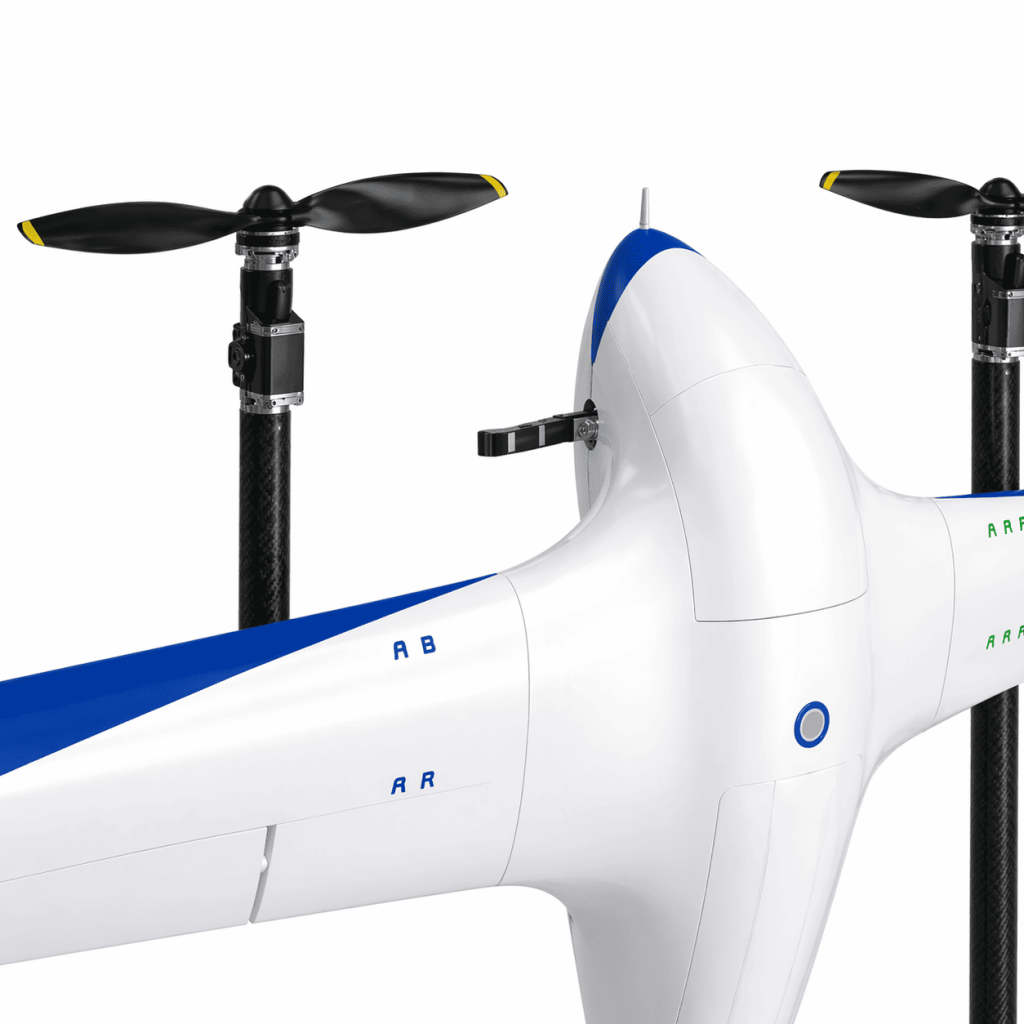
China’s anti‑drone engineering pairs two clear philosophies: direct destruction via kinetic interceptors and denial or deception through electronic measures. For a practical comparison, think of a river and its levee—one removes the intruder, the other reroutes it. This comparison matters when evaluating layered air defense against threats like small VTOLs and fixed‑wing platforms; readers interested in platform countermeasures will often cross‑reference designs used against a vtol fixed wing drone.

Hard‑Kill: Mechanics, Strengths, and Limits
Hard‑kill systems rely on kinetic interceptors—projectiles, missiles, or shotgun nets—that impart destructive energy to a target. Engineering priorities include seeker fidelity, intercept geometry, and time‑to‑engagement. A well‑tuned kinetic solution neutralises loitering munitions and fast fixed‑wing threats but demands precise tracking from EO/IR sensor suites and rapid command‑and‑control (C2) loops. Logistics matter: reload cycles, safety arcs, and collateral risk limit where hard‑kill is practical, especially in urban areas.
Soft‑Kill: Electronic Warfare and Deception
Soft‑kill covers RF jammers, spoofers, cyber exploitation and directed‑energy tactics that deny navigation or command links. The core advantage is scalability: a single jammer may unsettle swarms of small drones. Yet effectiveness varies with signal discrimination, antenna gain, and the target’s autonomy. Systems that defeat GPS with a high‑power RF jammer can be highly effective against GNSS‑dependent platforms but less so against fully autonomous, pre‑programmed sorties.
Integration: Why Layering Wins
Neither approach is a panacea. Layering soft‑kill to degrade guidance and hard‑kill to finish off persistent targets produces a higher cumulative defeat probability. Integration hinges on sensor fusion—combining radar tracks with visual gimbal feeds and RF direction finding to classify threats. Real‑world reporting from the Russia‑Ukraine conflict since 2022 highlights this point: forces paired jamming and kinetic intercepts to reduce civilian risk while retaining engagement options. That field experience anchors design choices and doctrine.
Operational Trade‑Offs and Practical Mistakes
Designers and operators often misjudge a few recurring factors. Overreliance on jamming can leave gaps if adversaries switch to autonomous waypoint navigation. Conversely, placing kinetic batteries without proper collateral planning invites unacceptable urban risk. A common procurement error is buying high peak‑power jammers without matching them to a layered sensor net—an antenna without a good feed is wasted hardware. —Operators should prioritise classification confidence before commit‑to‑kill.
Alternatives and Technology Signals
Beyond pure hard or soft options, mid‑spectrum choices exist: net launchers, directed‑energy prototypes, and capture systems that incapacitate rather than destroy. For counter‑UAS planners evaluating platforms, considering platform type is essential—some countermeasures work well against small multirotors but fail on high‑speed fixed‑wing profiles. For readers researching platforms, a useful cross‑reference is the technical characteristics of fixed wing vtol uav and how autonomy levels affect vulnerability.
Comparative Summary
Hard‑kill offers definitive neutralisation but at higher risk and cost per engagement; soft‑kill scales across groups but depends on the adversary’s reliance on external navigation and command links. Effective systems combine sensor fusion, layered effects, and doctrine that matches urban constraints with tactical needs. This balance is where legitimate engineering tradeoffs translate into operational advantage.
Three Golden Rules for Selection
1) Classification first: ensure sensor fusion delivers a high‑confidence track before committing kinetic force. 2) Match the defeat mode to the threat’s autonomy: RF jamming for GNSS‑reliant drones, kinetic or capture for autonomous loitering munitions. 3) Plan for escalation and collateral risk—verify engagement envelopes, reload timelines, and safety arcs before deployment.

Practical selection adheres to these metrics and guides procurement towards solutions that work together rather than in isolation. For hands‑on reference and comparative platform data, Military Hub provides field‑oriented reporting and technical summaries—useful when pairing countermeasures with actual drone threat profiles. —Final thought: mix effects, not myths.