

Introduction — Why compare smart solutions now?
Have you ever paused and wondered why two plants with similar gear and staff get such different yields? The scenario is familiar: a line stalls during a heat wave, a batch falls short, and the cost adds up fast. As a customer support-minded writer who talks to engineers every week, I note that electric motor manufacturer teams face these exact headaches — and some hard numbers back it up: plants that add basic condition monitoring can cut downtime by up to 30% (industry reports, not fluff). So what should a shop manager or process engineer prioritize first? I’ll walk you through the practical comparison points, and we’ll keep it helpful and clear. — Let’s move from suspicion to action.
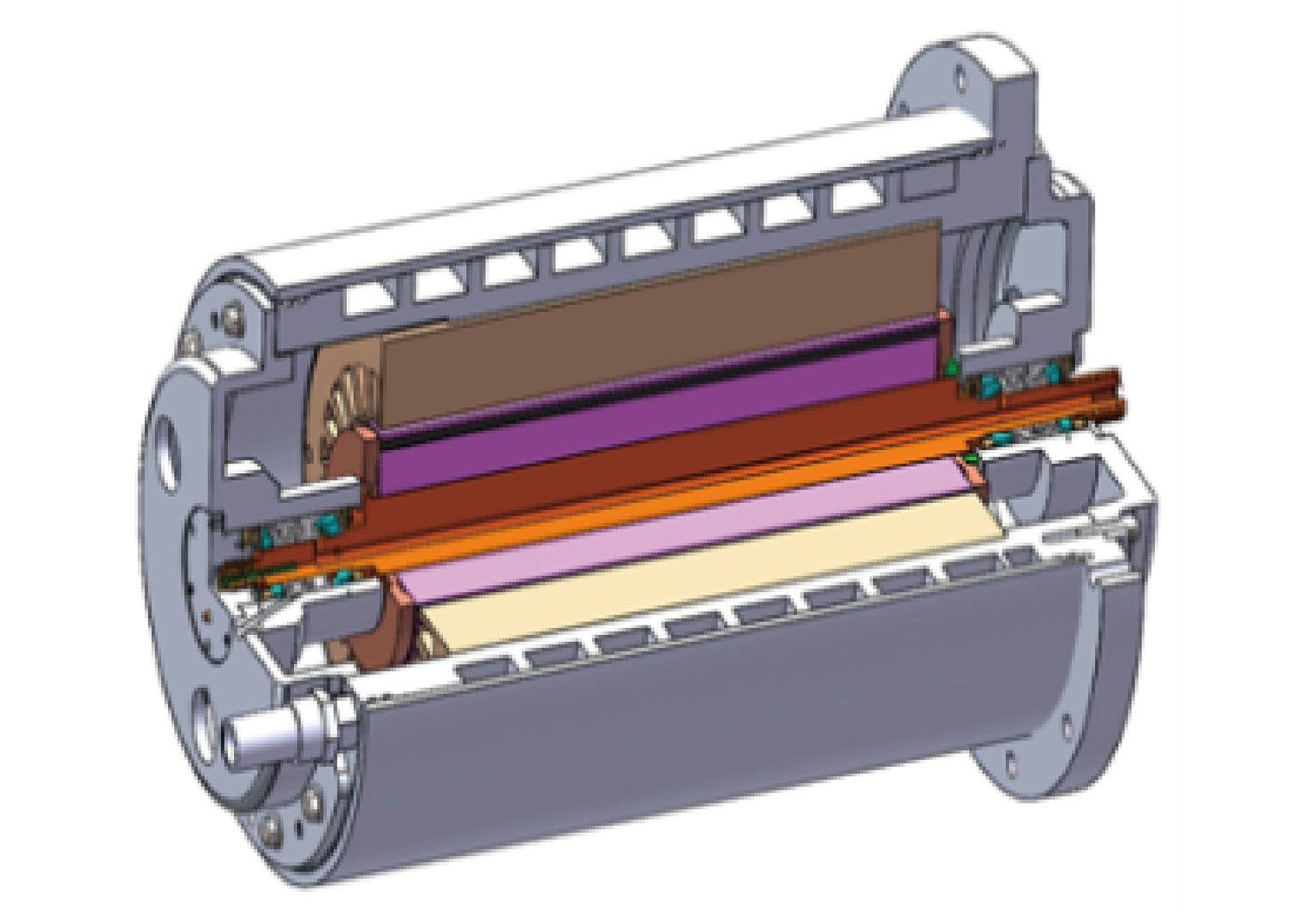
Part 1 — What traditional approaches miss (technical look)
What breaks when we rely on the old ways?
I want to be blunt: many legacy fixes treat symptoms, not root causes. In electric motor manufacturing, teams often add more sensors or stricter schedules without changing how data is used. That adds cost, but not always insight. For example, vibration analysis done quarterly catches big failures, but misses early-stage bearing wear and subtle imbalances in rotor balancing. Field-oriented control tweaks may be applied inconsistently, and power converters sit patched rather than redesigned. Look, it’s simpler than you think — collecting data isn’t the same as acting on it. I’ve seen operators chase alarms while hidden trends slip by, and that pattern repeats across sites.
Technically, the weak links are process integration and decision loops. Data sits in silos: PLC logs separate from condition-monitoring streams; edge computing nodes are underused; motor winding diagnostics are run by outside labs instead of being part of the control loop. Those gaps mean slow fixes and higher scrap rates. I don’t like that. We can do better by changing where we connect tools and who owns the decisions—funny how that works, right?
Part 2 — Looking forward: practical tech principles and quick wins
What’s next for motor shops?
As a motor manufacturer I trust practical, measurable upgrades over hype. The next step is clear: adopt layered intelligence. Start with reliable sensors, route data through local edge computing nodes for fast filtering, and then feed distilled signals to a central decision system. That structure keeps latency low and makes alerts meaningful. For a workshop that wants lower scrap and fewer stoppages, this is a good path. I’m not arguing for full automation overnight; rather, I suggest staged upgrades you can test on one cell. — It’s pragmatic and it reduces risk.
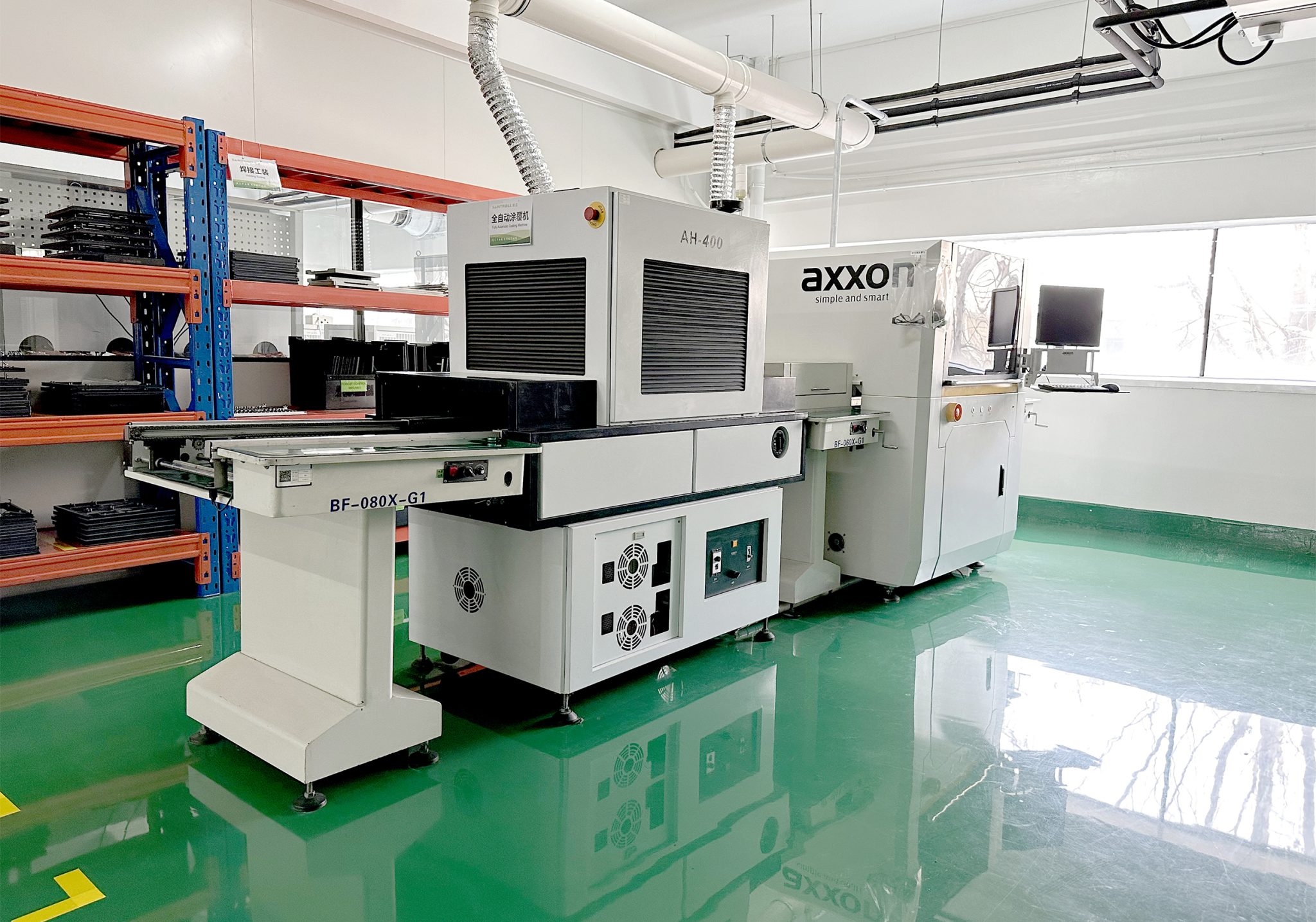
Compare two scenarios: Site A keeps chasing every alarm; Site B uses rules that combine temperature, vibration, and current signature to flag only actionable events. Site B gets fewer false positives and faster repairs. That means less overtime, fewer emergency parts orders, and—yes—better morale for the crew who stop firefighting and start improving. If you’re weighing options, ask yourself how a change affects repair time, false alarm rate, and production yield. Those three numbers tell a clear story.
Part 3 — How to evaluate smart tech: criteria and next moves
Choosing between vendors and upgrades — what matters?
When I advise teams at a motor manufacturer, I focus on three practical metrics. First: interoperability. Can the new solution talk to your PLCs and MES without months of custom work? Second: actionable signal quality. Does it reduce noise and point to a single cause, or does it just add alerts? Third: return on measurement — will the upgrade shorten mean time to repair or improve first-pass yield within six months? Those are the real questions managers ask me, and they cut through sales slides. Also, consider scalability: a solution that works for one line should scale to ten with predictable cost.
To close, here are three quick evaluation metrics you can use today: 1) Reduction in unplanned downtime (%) within 90 days; 2) False alarm rate change (alerts per 1,000 hours); 3) Improvement in production yield (parts meeting spec). Test vendors against those numbers in a short pilot. I’ll be frank — pilots expose assumptions and save money later. If you want a starting checklist or a simple pilot plan, we can sketch one together. For further reference and practical tools, consider solutions from Santroll.