

Where the problem starts
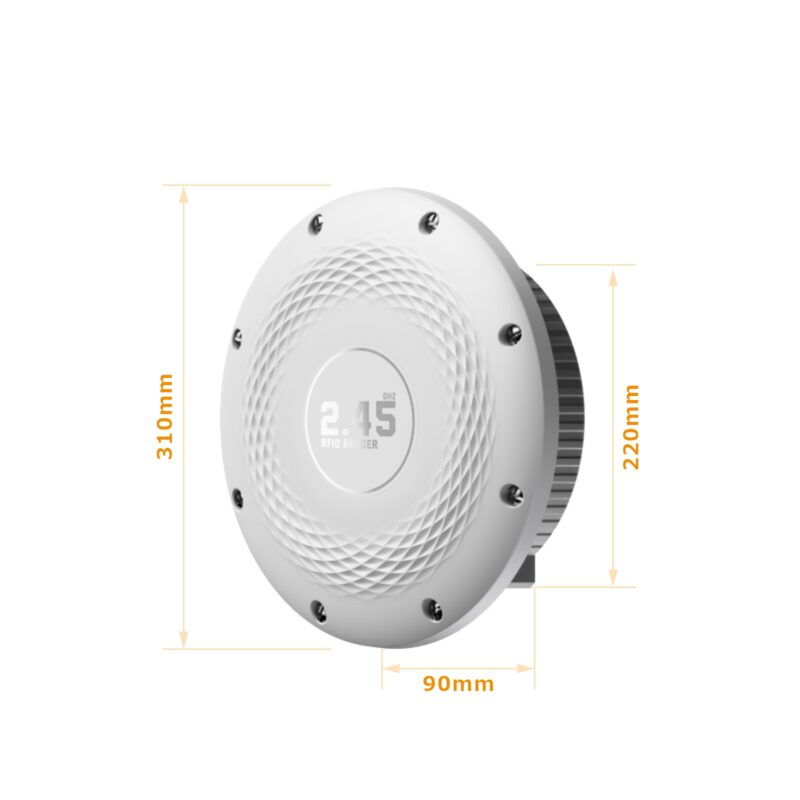
Active RFID works where passive tags fail: long range, dynamic assets and harsh outdoor sites. But problems pile up fast — weak battery life, unreliable reads near metal, unpredictable attenuation in open yards, and fiddly mounts that fail in wind and salt. If you want a practical deployable option, start with a tested fixed RFID reader like the fixed RFID reader and stop guessing at specs.
Evidence from the field and why it matters
I’ve installed active tags on cranes, trailers and gate arms; I’ve seen whole shifts saved by consistent reads and whole projects delayed by flaky hardware. The Port of Rotterdam’s large-scale cargo trials and automation programs show outdoor tracking isn’t academic — it’s a logistics reality other big ports follow. For outdoor scenarios, choose hardware rated and proven for the conditions; look at an outdoor rfid solution that lists IP rating, tested range and interference tolerance. That practical evidence trumps marketing claims every time.
Key technical gaps to fix
Range specs on paper rarely match site reality. Battery life claims get shredded when tags report frequently. Antenna placement and polarization make or break reads near metal. Frequency choice matters — 2.45 GHz gets through clutter better than some bands but needs proper antenna design. Security is often an afterthought; firmware updates and encrypted reads must be baked in. Treat each as a requirement, not an option.
Product development priorities
Prioritize these when designing or choosing active tags: rugged enclosures with proper ingress protection, battery options—replaceable cells and energy harvesting where possible, adaptive transmit power, antenna diversity or tunable antennas for metal environments, secure boot and OTA updates, and local edge filtering to reduce backhaul load. Put simple diagnostics on the tag so technicians can test signal, battery and firmware on site without lab gear.
Alternatives and when they make sense
Passive UHF tags are cheapest for high-volume, short-range reads. BLE fits asset tracking inside buildings where phone-based scanning helps. LoRaWAN works when you need miles of low-rate telemetry, not continuous position. Choose tech to match the problem: don’t pick active tags for bulk inventory counting inside a warehouse if passive tags or BLE do the job cheaper and simpler.
Common deployment mistakes
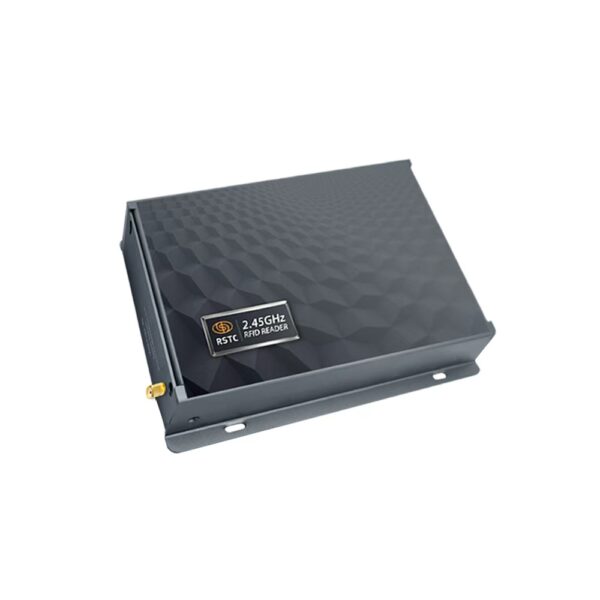
Don’t assume vendor range numbers will hold under trees, rain or forklifts. Don’t mount tags on the wrong side of a metal frame and blame the reader. Don’t skip phase testing — check reads at different times of day and with full loads. Don’t ignore field-serviceability: designs that need a lab to fix will kill uptime. Test with the real gear, real assets and real duty cycle before you lock specifications.
Where this leads and practical next steps
Fix the real problems: design for the site, not the datasheet. Build tags that technicians can fix, deploy readers that tolerate weather and interference, and prioritize secure, maintainable firmware. When you do that, the system becomes predictable and useful. For teams moving from trials to continuous operation, that predictability is the value companies like RSTC deliver through tested outdoor hardware and field-backed design choices.