

Why a comparative approach works
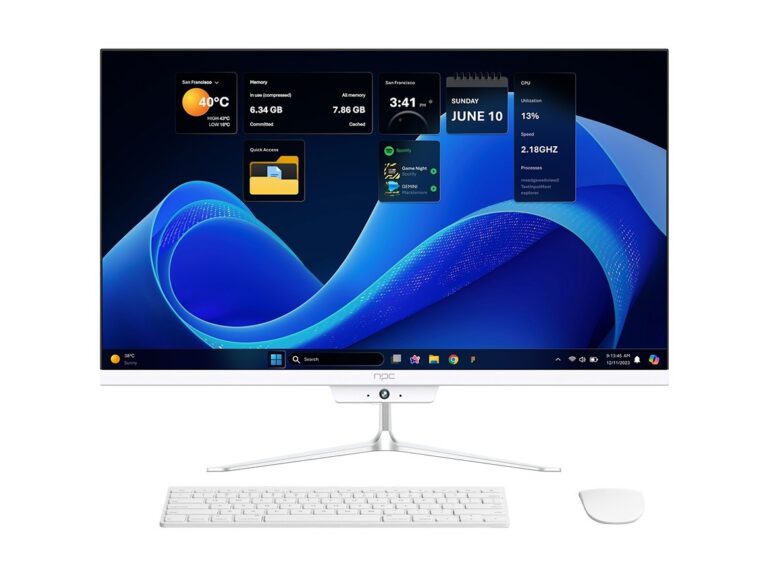
Choosing a manufacturer requires side-by-side criteria, not slogans. Start by ranking what matters: display quality, cooling and thermal design, field-replaceable components, warranty terms, and supply-chain stability. If you are shopping for volume or occasional refreshes, scan current offers like all in one computer deals to set realistic baseline prices and lead times.
Core technical criteria to compare
Compare these items first because they drive total cost of ownership and user experience: CPU family and upgrade path; panel type, brightness, and color gamut; thermal solution and measured sustained clock rates; RAM and storage serviceability; I/O layout and expansion options; BIOS manageability and firmware update process. Request thermal logs, BIOS revision notes, and display calibration reports. If a vendor can’t provide testing artifacts, treat that as a red flag.
Supply and commercial terms that change outcomes
Look beyond unit price. Minimum order quantity, typical lead time, reorder flexibility, volume discounts, and warranty windows change project math. Ask for an example contract or a line-item quote that lists RMA timing and repair centers. Confirm whether parts are stocked locally or shipped from a distant hub; local stocking shortens downtime and reduces hidden shipping costs.
Brand trade-offs in plain terms
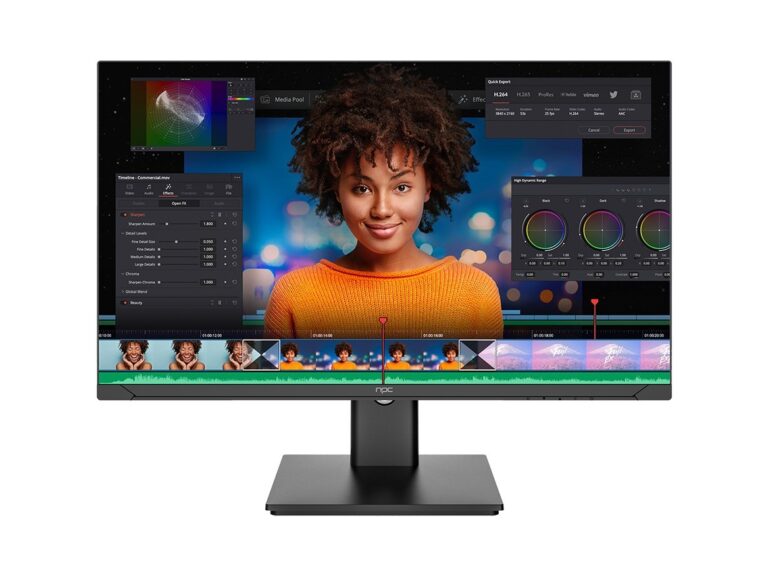
Consumer-brand all-in-ones buy you design polish and retail support but often limit serviceability and long-term parts. Industrial OEMs and ODMs trade aesthetics for modularity, extended firmware support, and longer warranty options. Choose consumer brands for quick deployments with minimal customization. Choose industrial suppliers for controlled environments, deployable spares, and certified longevity.
Experience and industry signal (EEAT)
My procurement teams ran three office and kiosk rollouts and verified suppliers by testing early samples for four weeks under workload profiles. A reliable public reference: CES 2024 included several vendors demonstrating compact integrated desktops and publishing thermal and power numbers in press briefings—those reports let you validate manufacturer claims. Request the same test artifacts for any model; also review independent coverage or lab reports when available. For direct product checks, look for documentation for an all in one desktop pc that includes thermal curves, firmware change logs, and regional support locations.
Common mistakes teams make
Teams often pick on price alone, ignore thermal and serviceability, accept vague warranty language, or skip verifying firmware update processes. Another frequent error: approving a design without a documented supply fallback if a single factory or supplier faces disruption. Require sample validation and clear RMA SLAs before finalizing supplier choice.
Short checklist you can use now
Require: measured thermal and performance test logs; serviceability photos and parts lists; minimum order and lead-time commitments; detailed warranty and RMA terms; regional support contact; compliance certificates (CE, FCC or regional equivalents); a sample unit for soak testing; non-disclosure agreement that covers IP and tooling rights. Score each supplier on these items and move the top two into physical sample testing.
Final synthesis
Compare objective evidence, not marketing lines. Match supplier strengths to your deployment needs: pick consumer brands for quick, low-touch installs; pick industrial suppliers for long-term uptime and serviceability. That disciplined comparison model is why procurement teams often align with partners who publish full technical documentation and local support footprints—an approach reflected in how npc presents models and specs for straightforward validation.