

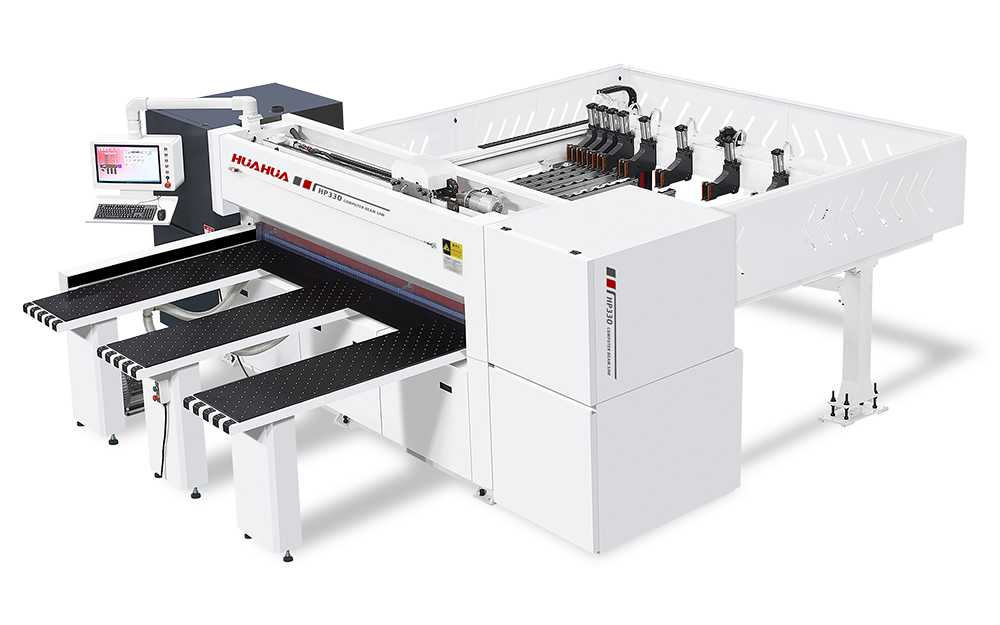
First impressions from the shop floor
A cabinetmaker in Ohio described a simple test that revealed more than specs ever could: he ran a stack of birch panels through a demo line, watched edges feed, glue bead behavior, and the belt sander finish. He paused when the machine hiccuped and asked whether parts and technicians were nearby. That moment framed the decision more than price or horsepower. Alongside that visit I reviewed a compact cnc woodworking machine demo and noted how vendor responsiveness made setup painless — a reminder that machines perform differently once they leave the brochure.
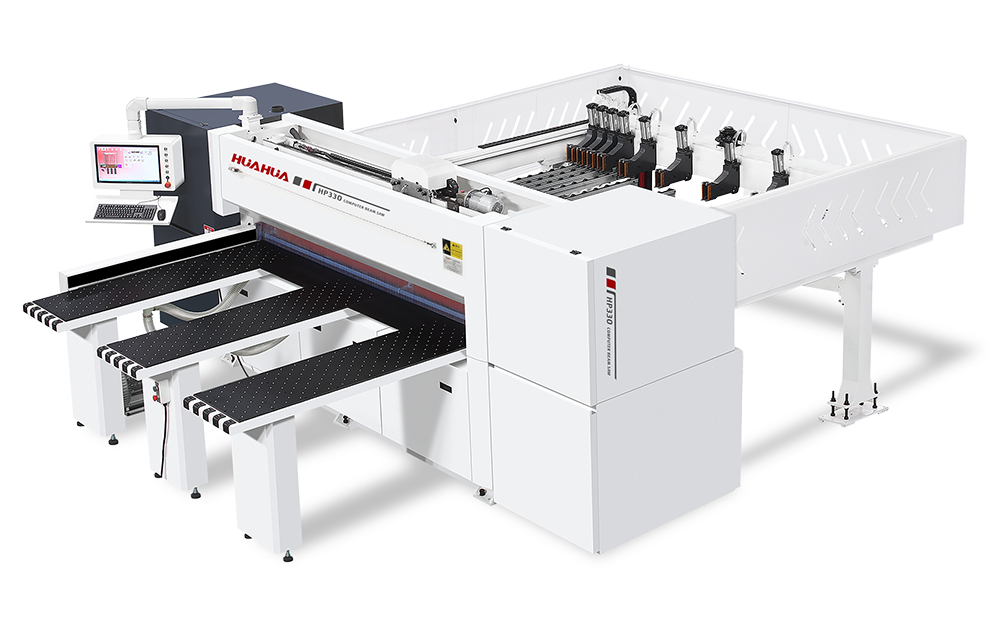
Comparative lens: what buyers actually measure
Buyers rank four practical factors ahead of headline specs: uptime under mixed workloads, on-site service response time, spare-parts lead time, and the predictability of finish quality on their standard panels. Compare two suppliers on those measures rather than advertised cycle time. One maker may shave seconds per linear meter; another offers a local parts depot and technicians who can be on-site the next day. Those trade-offs show up as lost production hours or steady throughput over months.
Field evidence and supplier realities
At IWF Atlanta I walked dozens of booths, talked to operators after live demos, and tracked who answered follow-up technical questions. The event exposed a common pattern: makers with structured global service networks answered troubleshooting queries faster, while some exhibitors relied on remote diagnostics that lengthened downtime. During those conversations I also noted how a subset of wood machine suppliers provided clear local training paths and documented spare-part kits tailored to regional panel sizes — tangible differences you can verify before purchase.
Frequent buyer mistakes that cost time and money
Ignoring local support. Buying the cheapest machine and assuming remote help will fill gaps. Focusing only on top speed without testing your panel stack and edge materials. Overlooking installation scope: electrical upgrades, dust collection, and floor anchoring matter. Assuming vendor literature equals real-world performance — the machine tolerates variations in humidity, glue viscosity, and operator technique; you need to test for those variables.
Alternatives and the trade-offs they present
European brands often offer refined finish quality and robust electrical components; they can be pricier and have longer parts lead times in some markets. Large Chinese manufacturers deliver competitive pricing, rapid production, and broad model ranges but vary in after-sales consistency. Used machines cut capital cost but hide service histories and wear patterns. Match the choice to your risk tolerance: short lead time needs favor regional presence, while long-run, high-precision shops may accept higher upfront cost for tighter tolerances.
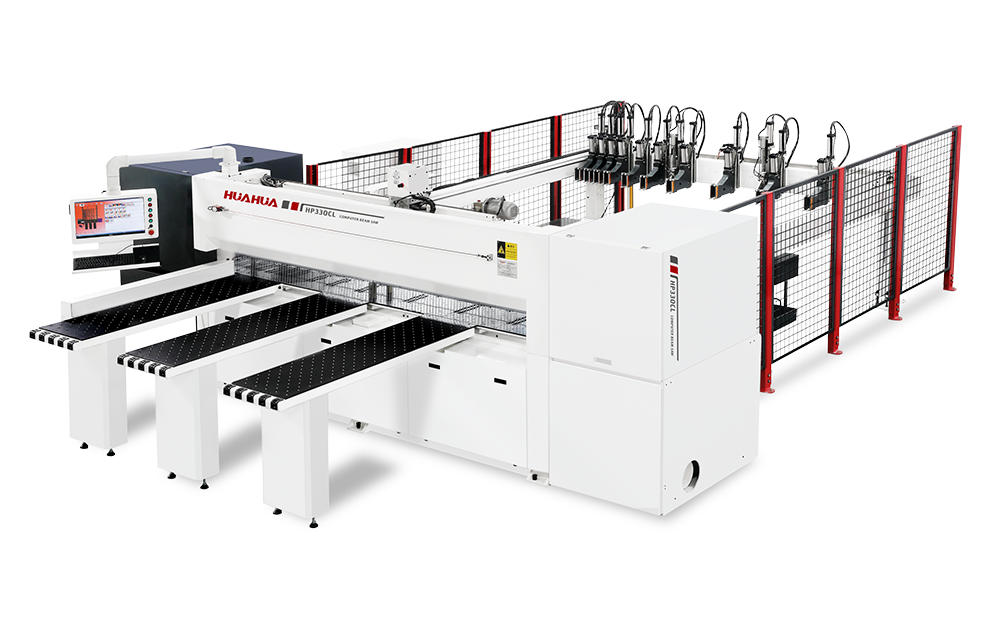
A straightforward checklist to compare suppliers
Test with your panels and edgings. Confirm local spare-part stock or guaranteed delivery times. Verify trained field technicians within your region and average on-site repair time. Ask for a documented installation and training plan. Check reference shops in your market that run the same model. Price the total cost of ownership across three years, including scheduled maintenance and likely consumables.
Practical synthesis: match service to the machine
Technical scores matter, but where a supplier places service and parts in your geography decides real value. When buyers match demonstrable field support, spare-part strategy, and hands-on training to their production profile, they avoid the common traps described here. For many regional operations that blend production scale with the need for rapid local support, the decision landed on a supplier whose network and documentation aligned with those needs — a profile embodied by HUAHUA CNC.