

Where the work actually breaks
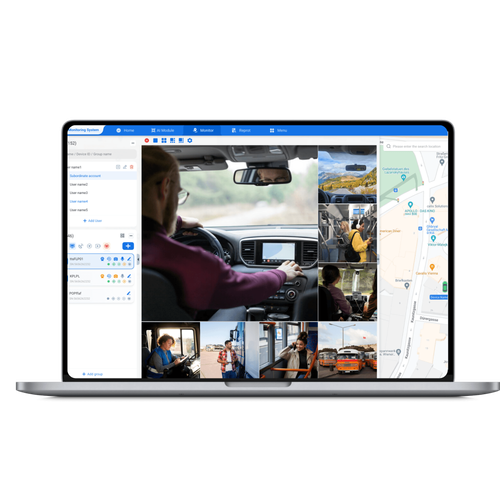
Your drivers are late, dispatchers are reactive, invoices don’t match routes — and everyone’s blaming “traffic.” That’s not the core problem. The real leak is opaque movements and brittle communication. Start by mapping the pain: missed ETAs, unplanned downtime, and fuel waste that shows up on monthly P&L sheets. Teams that have tight windows around the Port of Rotterdam know how small delays cascade into big costs. A focused fleet management solution can replace guesswork with consistent, visible signals so teams stop firefighting and start preventing fires.
What front-line people actually need
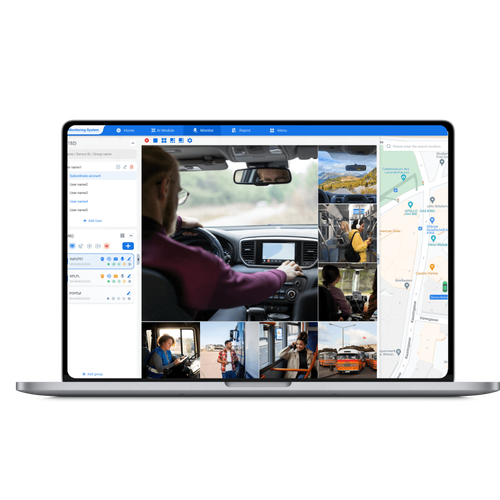
Dispatcher: clear live locations, reliable ETAs, and an easy way to reassign work. Driver: simple routing, short checklists, and fast ways to report issues. Manager: consolidated KPIs and ownership of data. UX choices matter — deliver a single screen for urgent decisions, not ten dashboards nobody opens. When people say “we need better tech,” they mean fewer interruptions, not more buttons.
Concrete fixes that stick
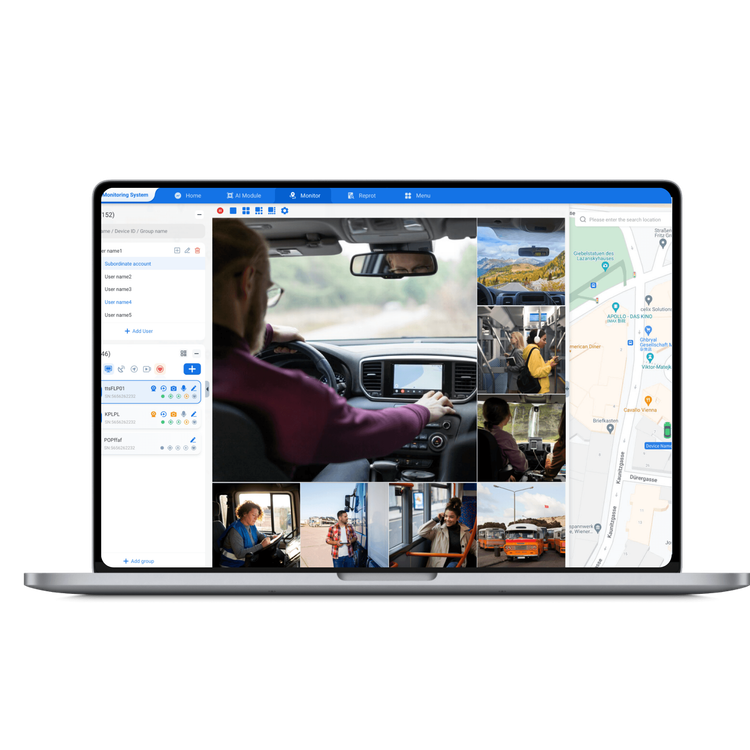
Apply these targeted moves, in order:- GPS tracking with proven uptime and crisp location timestamps; use geofencing to tie activity to billing events.- Route optimization that respects driver breaks, vehicle class, and real-world road conditions.- Automated maintenance reminders driven by mileage and engine-hours, cut breakdowns before they happen.- Two-way messaging that timestamps confirmations and captures short photo evidence.- Telemetry feeds (fuel level, speed, idling) routed to centralized logs, not buried in PDFs.These are the building blocks behind robust gps fleet management solutions that support real decisions rather than create more metrics to ignore.
Where most projects fail
They pick flashy features over predictable results. Common mistakes:- Deploying a platform without a one-month pilot focused on three KPIs.- Ignoring data ownership and then losing trust when exports are hard to get.- Overloading drivers with forms instead of automating capture (photo + GPS beats manual notes).- Treating integrations as an afterthought; the system should push data into payroll, TMS, and maintenance tools from day one.Fix these and adoption climbs. Ignore them and the tool becomes a glorified tracker that no one trusts.
How to evaluate a vendor, fast
Ask for these proofs:- A short pilot proposal with success criteria and rollback plan.- SLA for GPS signal uptime and a sample export of raw position data.- A list of ready integrations and one case study in port-adjacent operations.- Clear terms on data access and retention.Run a simple scorecard: ease of use, integration time, uptime guarantee, and cost per active vehicle. Trust comes from repeatable outcomes, not glossy demos.
Quick checklist for your first 90 days
Day 0–30: Pilot with 10–20 vehicles; lock three KPIs. Day 31–60: Expand to critical routes; enforce data exports and daily driver feedback. Day 61–90: Automate maintenance triggers and payroll feeds; review outcomes with dispatchers and drivers.Small, measurable steps beat grand rollouts.
Closing: the practical value you should measure
Stop accepting fuzzy answers. Measure on-the-road uptime, preventable downtime, and time-to-assign. When systems are chosen and tuned by people who study how dispatchers think, those metrics improve quickly. That’s the practical difference a focused partner brings — think operational clarity that teams can rely on — the kind of work BSJ helps make routine.