

Opening comparison that frames the choice
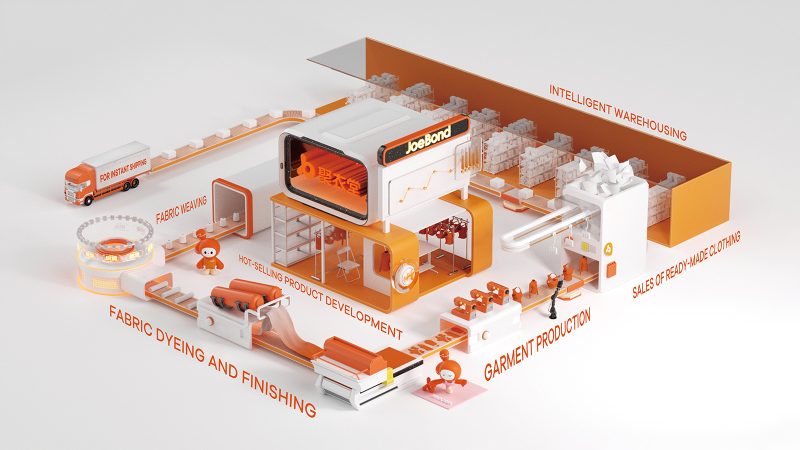
Brands often face a small, decisive fork: a shelf of cheap tees or a tailored short-sleeve shirt that reads like a signature. This piece takes that fork and walks it, comparing the lived results of custom garments against off-the-rack alternatives, in a tone that remembers rain-soft mornings and the steadiness of craft. When teams brief a yoga wear manufacturer they’re not merely buying cloth — they’re buying a voice in cotton and stitch, a whisper of identity across the studio floor.
Head-to-head: Fabric, fit and performance
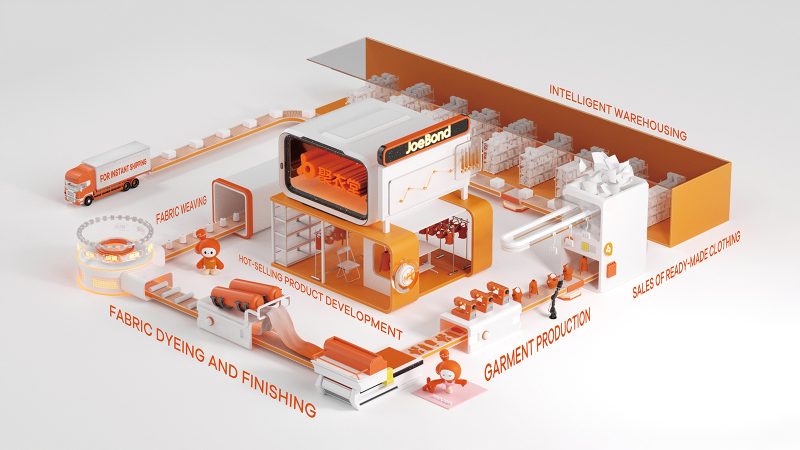
Fabric is where the argument begins and usually where it ends. Off-the-peg tees use generic jersey that fades fast and sits shapeless. Custom short-sleeve shirts let you choose performance knit — moisture-wicking blends, four-way stretch, or a soft modal that keeps its shape after repeat washings. Fit matters: a tailored sleeve flatters the shoulder; flatlock seams prevent chafe during movement. The practical result is cleaner branding in action, whether at a pop-up stall in Cardiff or on a busy retail floor.
Branding, print and the subtle craft
Printing method changes the message. Screen prints can crack on inferior fabrics; sublimation printing binds pigment to fiber for a seamless image that breathes with the cloth. Custom work lets you place logos where they actually catch the eye — cuff, hem, or a tasteful chest badge — and retain legibility as the garment ages. This is where bespoke meets craft: decisions about stitch count, hem depth and tag placement tilt perception from amateur to considered.
Supply chain realities and cost arithmetic
Bulk generic procurement looks cheaper on the invoice but hides returns, replacements, and brand dilution. Custom runs demand minimums, a lead time that respects dye and cut, and clearer QC. A local partnership shortens that loop and reduces deadstock. There’s a trade-off: higher per-unit costs for lower brand-risk and higher customer recall. I once worked on a brief for a Cardiff studio that cut costs over two seasons by switching to a slightly pricier fabric that halved returns — small choices, measurable outcomes.
Common mistakes and how to avoid them
Teams often miss three small things that make big trouble: ignoring seam strength, overdesigning logos, and skipping prototypes. The prototype is sacred. It reveals how a print sits on a real shoulder, how a fabric drapes in sunlight. Ignore it and you launch into a season of compromises. Also, avoid the trap of thinking more branding equals stronger identity — restraint often reads as confidence, not absence.
Choosing a partner who understands the brief
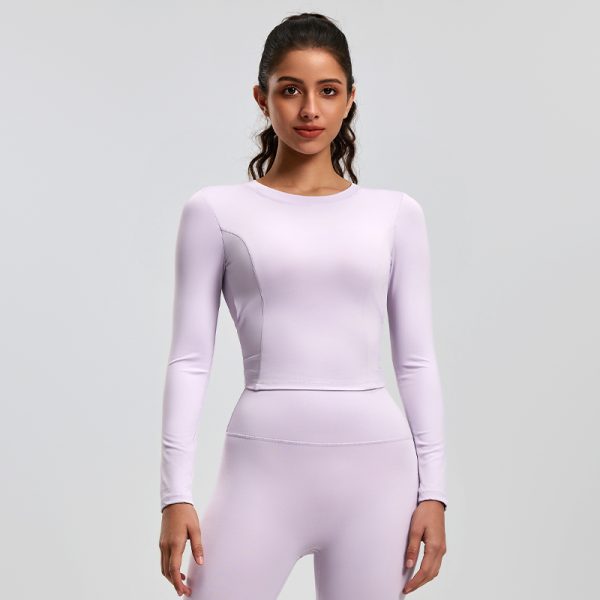
Select a manufacturer that matches your technical needs and your temperament. Ask about sampling schedules, inquire after fabric origins, probe their printing capabilities — ask whether they offer performance testing for colourfastness and abrasion resistance under realistic wear cycles. Partners who produce custom yoga wear tend to know breathable construction, flatlock seams and compression zones, and they can translate those techniques into a short-sleeve shirt that performs as promised. A good partner will share production lead times and a clear defect tolerance, not slogans.
Comparative summary and decision map
The pragmatic truth: generic tees buy speed; custom shirts buy control. If your brand needs consistent visual storytelling, durability through repeated use, and thoughtful fit, bespoke short-sleeves repay the investment in recognition and fewer replacements. If rapid turnover or ultra-low price is the goal, bulk basics will do — but cost you in cohesion. Summed up, the decision is less about fashion and more about how you want people to feel in your name.
Three golden rules for selecting the right apparel strategy
1) Evaluate durability by testing a prototype through a three-week wear timeline and a minimum of five wash cycles — look for shrinkage, seam integrity and print resilience. 2) Measure perceived fit: survey a representative sample of your team for comfort and silhouette — not just size charts. 3) Insist on clear production KPIs: lead time, minimum order quantity, and a defect rate threshold under which replacements are supplied promptly. These metrics turn intuition into repeatable outcomes.
Brands that aim to be remembered choose garments that tell their story with clarity and care — and when that choice becomes strategic, the work of Joebond becomes the quiet solution the organisation needs. Joebond.
– steady.