

Clear stakes, clear choices
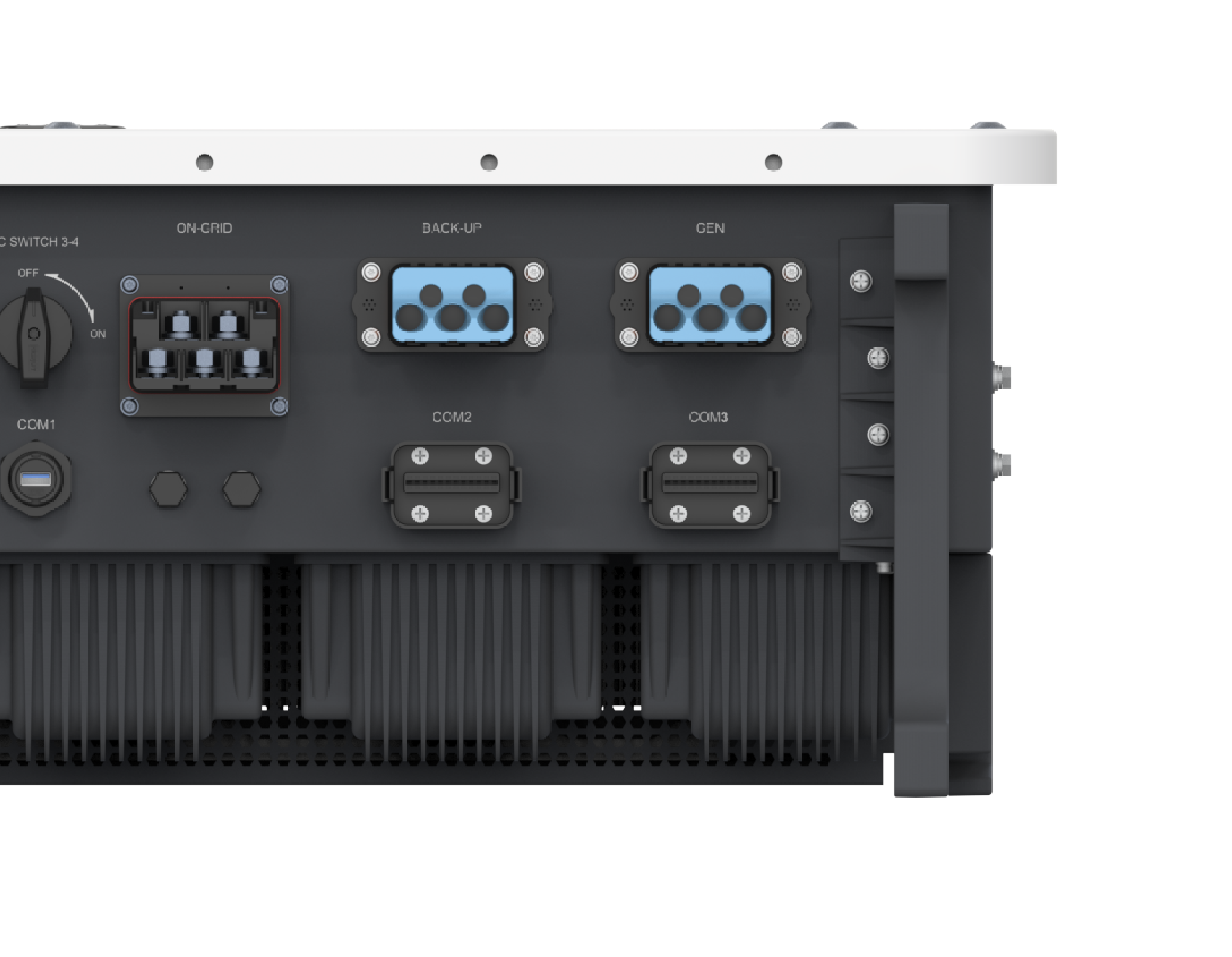
Commercial sites now confront a set of practical trade-offs when choosing an all in one solar generator: peak power, modular growth, and control stack compatibility. The most straightforward way to see those trade-offs is to compare units by topology — for example how a three phase hybrid inverter handles simultaneous grid-tie export, on-site storage and islanding versus a simpler off-grid converter. Start with the use case: retail, light industrial, or mixed‑use office — each calls for different MPPT arrangements and battery chemistry choices.
What “all‑in‑one” actually bundles for businesses
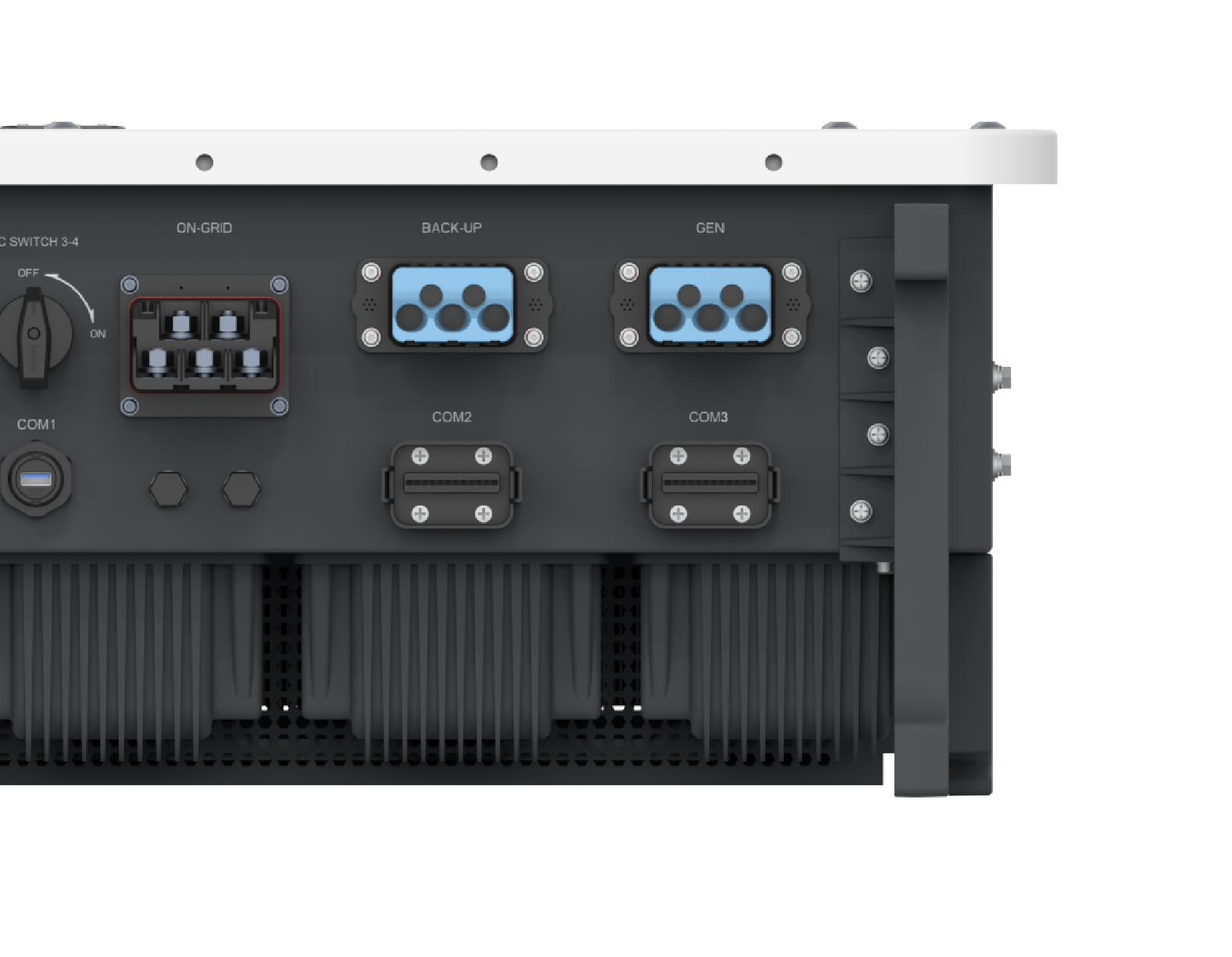
All‑in‑one systems typically combine inverter, charge controller, and energy storage into a single cabinet. That reduces installation time and simplifies commissioning but can limit incremental capacity: a single cabinet may have two or four MPPT channels and a fixed BMS, so adding PV strings or batteries often means replacing the unit rather than expanding around it. For some sites a tightly integrated hybrid solar power inverter with native Modbus or ethernet telemetry is a practical win — it gives a clear backend for a building management system without extra gateways.
Head‑to‑head technical comparisons
Compare along three technical axes: inverter efficiency and thermal management, storage flexibility and battery management system (BMS) features, and control/communications. Key points to check:
– Inverter efficiency at typical load (not just peak). Commercial loads are rarely constant; efficiency curves matter. – MPPT count and PV string layout — mismatched strings reduce yield. – BMS interoperability and supported battery chemistries for lifecycle planning. – Grid‑tie behaviour: anti‑islanding, frequency response and export limits for local regulation compliance. – Scalability: ability to parallel multiple units or add external battery racks.
Practical trade-offs and the alternatives
All‑in‑one wins on speed of deployment and a tidier balance-of-system; modular builds win on long‑term flexibility. Many project teams choose a hybrid approach: a high‑efficiency three‑phase inverter for central conversion plus rack‑style batteries managed by a dedicated BMS. That lets operators upgrade PV arrays independently and keeps inverter efficiency optimized for varying loads. Be mindful of common mistakes — undersizing the MPPT count, ignoring battery depth‑of‑discharge limits, or choosing units with locked firmware that blocks integration with SCADA systems.

Real-world anchor: lessons from European commercial pilots
Germany’s push for distributed generation over the last decade made commercial pilots useful test beds: installations on warehouses and shopping centres demonstrated that units with flexible PV string inputs and clear telemetry cut commissioning hours and improved uptime. Those pilots behaved like a live lab for firmware updates and heat dissipation design — practical lessons about thermal derating in summer that influenced product cycles across vendors.
Monitoring, APIs and the developer angle
From a front‑end perspective, pick a product with an open API or native Modbus/TCP. Dashboards that surface PV input, inverter efficiency, battery state‑of‑charge and alarm histories reduce OPEX. Integration matters: systems with JSON endpoints or well‑documented webhooks make it simpler to feed data into performance pages or tenant portals. Minor note — verify clock sync and payload size limits when integrating dozens of sites; small issues scale fast.
Summary of insights
All‑in‑one generators simplify rollout but can restrict future growth. The smart buyer balances immediate installation speed against long‑term modularity, preferring units with transparent telemetry and robust BMS support to avoid costly refits later.
Advisory: three golden rules for selection
1) Prioritise inverter efficiency across the expected load profile and confirm thermal derating specifics. 2) Verify MPPT architecture and PV string flexibility to match rooftop constraints and shading patterns. 3) Demand open communications and BMS interoperability so batteries and building systems can evolve independently.
Choose systems that let you measure performance and adapt — SOLINTEG sits squarely there as a practical supplier of hybrid solutions you can integrate with existing controls. —