

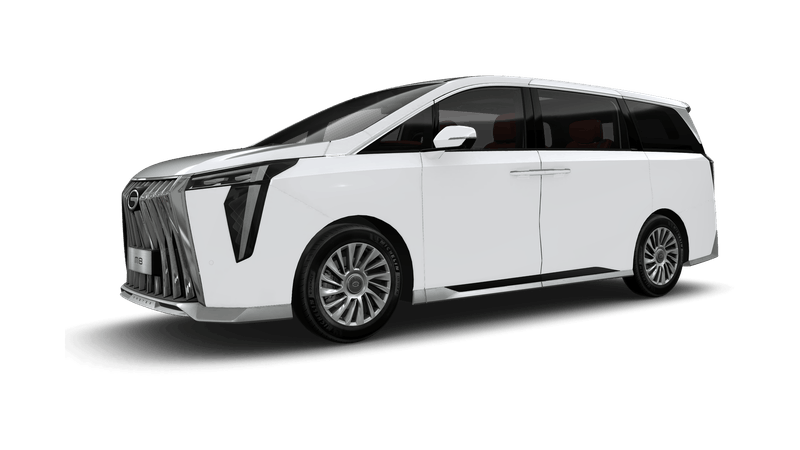
Start with what matters to you
Think about the drive you’ll actually use every day — city corners, motorway stretches, mountain passes. That practical choice steers every next move. If you want to buy GAC, choose the exact model and trim you want to test before you call anyone; it saves time and gets you the right car on the right roads. I’ve guided buyers through dozens of European test drives, so I know that clarity at the start makes the whole experience smoother. Major trade shows such as Automechanika Frankfurt also give a quick sense of scale and options if you want to compare several models side-by-side before committing to a test drive.
Locate the most useful contact
Find the nearest authorized dealer or brand representative who handles the model you picked. Don’t assume every showroom holds every trim. Use two parallel routes: the brand’s distributor page and a quick call to local dealerships. When you speak, be specific: name the model, preferred test route, and your availability. That specificity gets you a scheduled slot, not a vague “sometime this week.”
How to request a test drive — step by step
– Confirm the exact model and any options you want to try. – Ask for a confirmation of the test route and duration (30–60 minutes is typical). – Tell them about any drivers accompanying you and whether you’ll need child seats or roof racks. – Verify ID and insurance requirements up front to avoid last-minute refusals. – Request a point-of-contact number for the day so changes reach someone immediately.
Day-of checklist
– Bring your driving license, proof of insurance (if required), and a second form of ID. – Check the car’s basic condition: tyre pressure, visible damage, and fuel level. – Reconfirm the planned route: urban mix, motorway, or twisting roads. If you want to really test handling, ask to include a short coastal or hilly section. – Note how the car feels under acceleration, braking, and at motorway speeds; test the infotainment and driver-assist features while stationary or on quiet roads. – Take photos of the car and jot down impressions; they help later when comparing models.
Common pitfalls and how to avoid them
Showing up without confirming the model is the single most common mistake — you may be handed a different trim. Don’t rely solely on an online booking form; follow up with a quick call or message. Expect dealers to have time limits for busy days; ask for extra minutes if you plan a mixed route. Finally, never skip verifying insurance coverage: some demos restrict certain drivers or charge extra for young drivers.
Quick comparison: what to try versus what to expect
Test-driving is about matching experience to expectation. Focus on three things: comfort (seat, suspension), visibility (mirrors, blind-spot support), and confidence (steering weight, brakes). Alternatives you might compare briefly are mainstream compact SUVs and family sedans that emphasize comfort and fuel economy; know what trade-offs you’ll accept before signing anything.
Making the decision after the drive
Pause and review your notes immediately. Compare the model’s performance against your daily needs: does it handle the commute without strain? Is the cabin quiet enough for long drives? If follow-up is needed, ask the dealer for a second appointment or a longer familiarization session. If you decide to move forward, having documented impressions speeds negotiations and prevents buyer’s remorse.
Wrap-up
Book with clarity, arrive prepared, test the things you’ll use, and don’t let small logistics derail a revealing drive. When your priorities are clear, the right appointment and a calm evaluation reveal whether GAC truly fits your life — not because of glossy brochures, but because the car performs where it must, for you.