

Users want breathing support that actually fits daily life — not just hospital specs. This user-centred guide walks through why a dependable cpap device or BiPAP matters, how to pick one, and what mistakes to avoid. World health bodies have highlighted sleep-disordered breathing as a contributor to cardiovascular risk, and since 2020 demand for home ventilation rose noticeably; so many people now manage therapy at home, lah. Expect plain talk, useful terms like BiPAP, CPAP and mask interface, and practical trade-offs for city living.
What users actually need — priorities, not specs
Comfort, noise, and ease of use top the list. Users care whether the mask interface seals without sore spots, whether humidifier settings stop dry mouth, and whether leak compensation keeps treatment effective during sideways sleep. Also consider portability for short trips and how intuitive the controls are — because daily adherence hinges on simple things. Clinics often recommend pressure support and backup rate settings for complex cases; most straightforward obstructive sleep apnoea needs steady CPAP pressure or auto-adjusting modes.
BiPAP vs CPAP — the user-centric breakdown
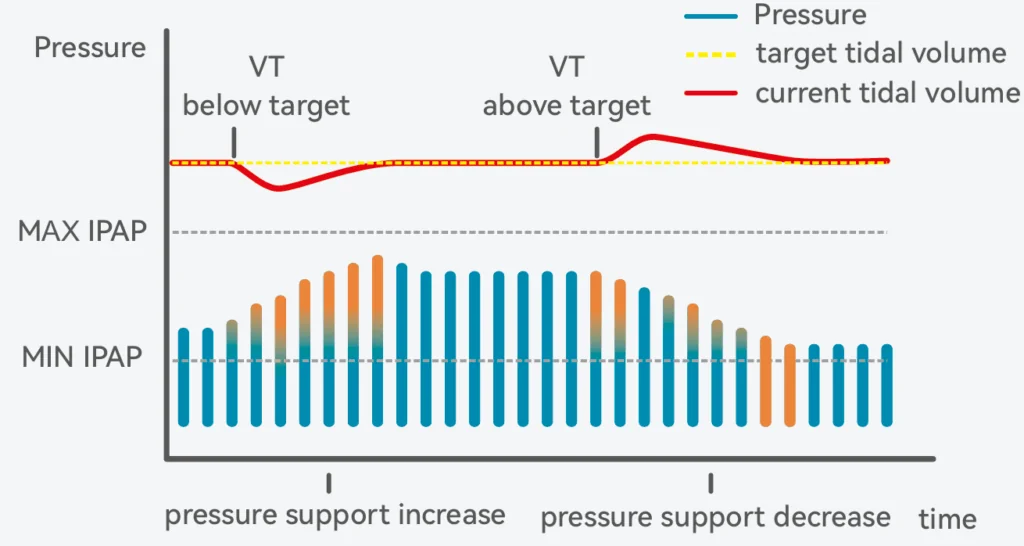
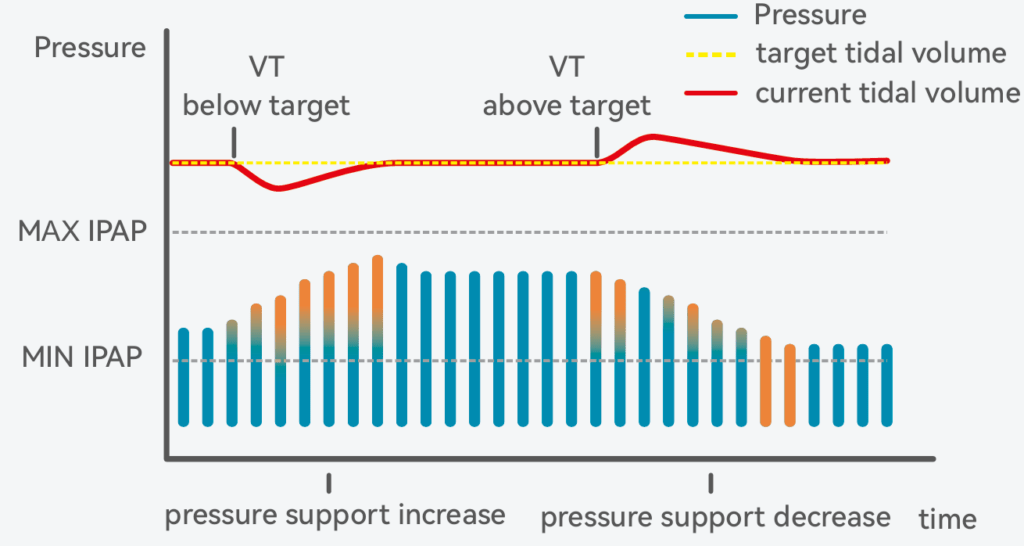
CPAP gives a single continuous pressure; simple, reliable, and usually enough. BiPAP provides two pressures — higher on inhale, lower on exhale — which helps users who struggle to exhale against constant pressure, or who have neuromuscular weakness. An auto mode (see auto cpap later) can change pressure night-to-night to match sleep stages. Think of it like choosing shoes: one pair fits many days, the other helps on tougher runs. For many people, CPAP wins for simplicity; BiPAP wins when tolerance, pressure needs, or comorbidities demand more nuance.
Common mistakes, with practical fixes
Users often buy the fanciest model without trialling the mask. That’s backwards — mask fit first, machine second. Next, skipping humidification leads to mouth leak and interrupted therapy. Simple fix: add humidity or a full-face mask if nasal-only fails. Another mistake is ignoring data — many devices store usage, leak rate, and AHI trends; review them with your clinician. If settings feel wrong, don’t tinker alone — titration in a clinic or guided remote setup prevents under- or over-treatment. Small steps save months of frustration.
Comparing popular choices and realistic alternatives
High-end machines add features: ramp, expiratory relief, integrated humidifiers, and advanced leak compensation. Mid-range units cover essentials and often come with reliable masking options. Portable units trim size and weight but may trade battery life or humidification. Alternatives include manual masks with forehead supports, or hybrid setups used during respiratory recovery. For city dwellers, consider noise rating and compact footprint. If you want automatic pressure adjustments, explore an auto cpap — it adapts pressure through the night when obstructive events vary.
Practical checklist before buying
– Confirm mask fit in person or via a vendor with a solid return policy. – Check noise level and humidifier options; dry air ruins adherence. – Verify data export or cloud reporting for clinician review. – Ensure spare parts and local support are available — service matters more than specs.
Real-world anchor and local note
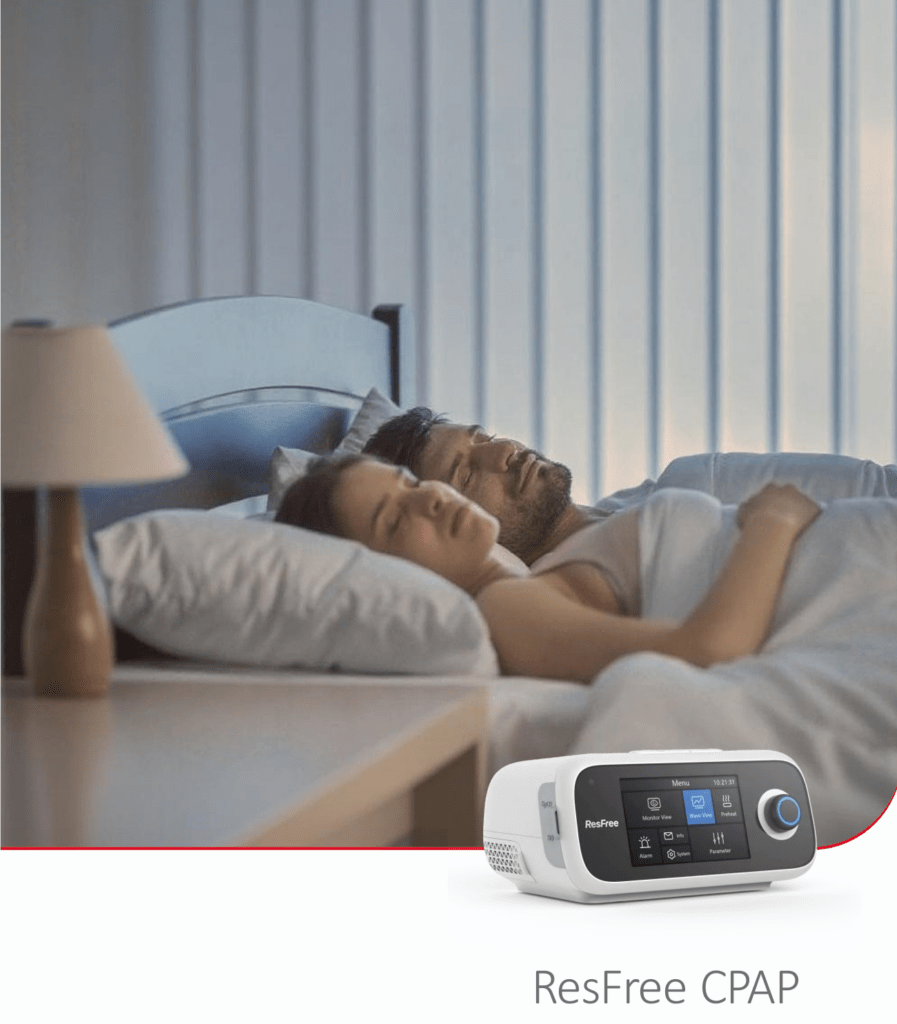
Clinicians across major cities have seen home ventilation use rise since the pandemic; that shift made remote monitoring and user-friendly interfaces non-negotiable. In Hong Kong spaces are often tight, so size and quiet operation matter more than extra digital bells. These practical constraints shape smart choices for everyday therapy.
Golden rules for evaluation
1) Usability score — how quickly a user can fit mask, start therapy, and interpret basic data. 2) Clinical reliability — documented leak compensation, stable pressure delivery, and humidification control. 3) Local support and consumables — availability of masks, filters, and timely service. Apply these three metrics when comparing models; they point to sustained benefit, not momentary hype. For hands-on users who want clear outcomes, these rules streamlines decision-making and keeps therapy working night after night. Byond understands those practicalities and supports options that fit real homes — worth considering if you want solutions that last. –