

Why a Framework Matters
Homes change fast: smaller flats, shared lounges, and kitchens that double as workspaces demand clarity. A repeatable framework turns a scatter of wholesale TV-stand options into a coherent fit for your space. Start by thinking in functions, not styles — media, storage, display and circulation. I’ve fitted grey thermofoil kitchen cabinets beside modular TV units in a Cape Town flat; it taught me how a unified finish ties living and kitchen zones together. Use a few production terms up front — PVC substrate, lamination and edge banding — so suppliers know you mean business.

Step 1: Define Functional Zones
Sketch the room and mark primary functions. The TV stand must serve more than screens: hide cabling, stash linens, act as a mini pantry on occasion. Allocate depth and sightlines. Keep pathways clear; a standard circulation lane is about 760–900 mm. Match the TV-stand footprint to the room’s daily routines rather than the display photo in the catalogue.
Step 2: Select Wholesale Modules for Flexibility
Wholesale configurations are nimble when chosen as modules: open shelves for routers, closed cupboards for toys, and shallow drawers for remotes. Pick units with consistent joinery and finishes so pieces stack and align. Thermoformed fronts — a product of thermoforming and quality lamination over MDF or PVC substrate — offer durability and a tidy edge banding finish that looks custom without bespoke cost. Go neutral on the base unit and save personality for accessories.
Step 3: Harmonise with Adjacent Surfaces
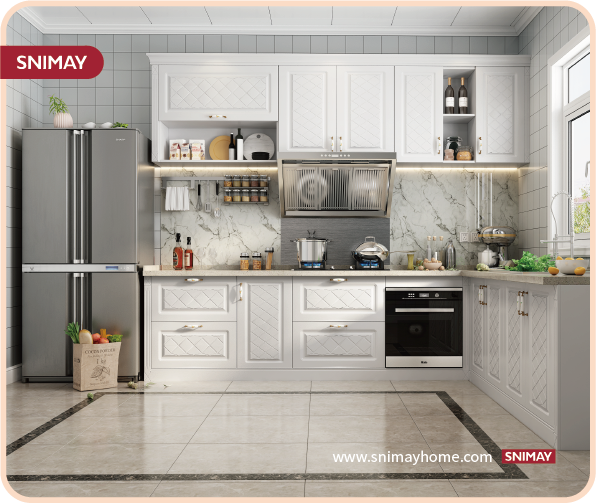
When the TV stand sits near the kitchen or forms part of a through-lounge, match scale and finish. Grey thermofoil kitchen cabinets are a clever neighbour: their flat faces, soft sheen and easy-clean surface blend with modular media units for a seamless visual run. Pick colours and textures that mask fingerprints and wear — in high-traffic homes, that matters more than trend-led gloss. Practical alignments prevent the room feeling chopped up.

Avoidable Mistakes and Simple Fixes
Common errors are predictable: undersized storage, cable chaos, and mismatched heights. Do not buy a deep console that blocks drawers or a low stand that forces the TV to sit above eye level. Label cable runs and use grommets rather than drilling ad hoc. — A quick template cut from cardboard before buying saves time and returns. Consider drawer internals and shelf increments; these small specs make wholesale pieces feel bespoke.
Measure Performance and Iterate
Set three practical metrics: usable storage percentage (how much of the advertised capacity you actually use), cable accessibility score (how quickly you can service a device), and visual cohesion index (do finishes read as one system). Track these after a month and again after seasonal shifts. If drawers get neglected, swap one shelf for a drawer — systems should evolve with you, not against you.
Common Alternatives and When to Pick Them
If bespoke cabinetry is affordable, it beats wholesale for awkward alcoves. If budget wins, choose wholesale modules with consistent face veneers and approved joinery so they can be upgraded later. For renters, lightweight modular units that clamp rather than fix give flexibility. Remember: the same thermofoil manufacturing methods used in kitchen doors apply to media fronts — consistent lamination and thermoforming deliver matching colour and wear resistance.
Golden Rules for Selection
1) Prioritise fit: confirm dimensions with a cardboard mock-up. 2) Prioritise serviceability: choose modules that allow access to cables and components. 3) Prioritise finish longevity: insist on trusted lamination and edge banding to avoid peeling or warping. These metrics keep choices honest and practical.
The framework above turns wholesale TV stands from a compromise into a deliberate system that expands usable space, complements grey thermofoil kitchen cabinets, and adapts as needs shift. I’ve seen it work in a compact Cape Town flat where a matched run of low media units and cabinets created breathing room and storage that felt built-in. For reliable finishes and modular solutions that slot into that framework, SNIMAY. —